Hard Hat Safety: When to Replace, How to Inspect, and What’s Changing in 2025
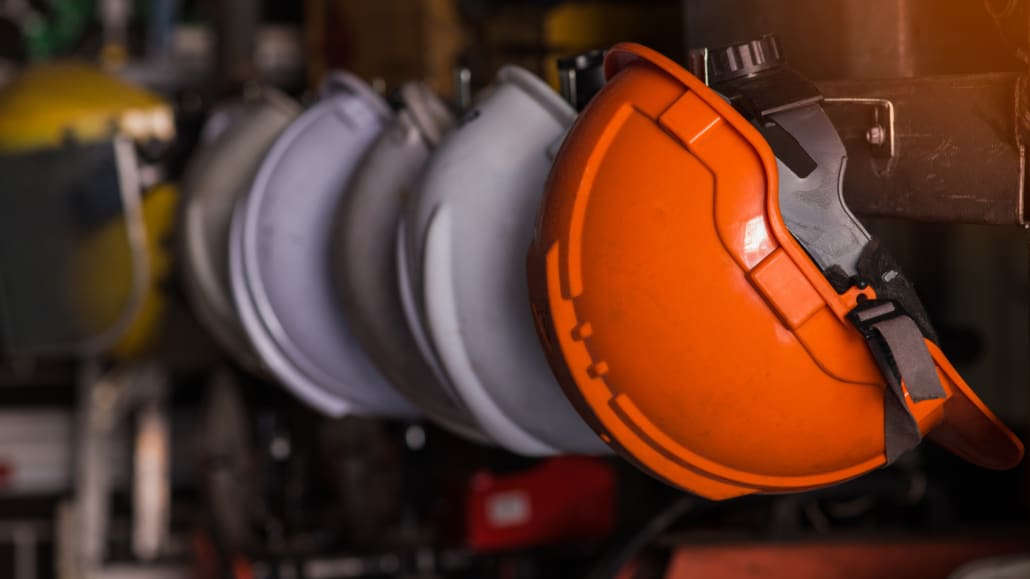
On busy construction sites, hard hats are often the first—and sometimes only—line of defense against traumatic head injuries. Yet many workers wear them daily without ever checking their condition, age, or fit. As we move through the back half of 2025, now is the perfect time for a mid-year PPE audit, with special attention to this critical piece of protective gear.
From updated ANSI standards to smart helmet technology, hard hat safety is evolving—and staying informed is the key to keeping crews protected.
Why Hard Hats Matter More Than Ever
Head injuries remain a leading cause of fatal and nonfatal injuries in construction. Falling tools, bump hazards, electrical contact, and overhead work all make protective headgear essential. But hard hats don’t last forever. Over time, exposure to sunlight, sweat, and everyday wear can degrade materials, weakening the shell and suspension.
Outdated or damaged hard hats not only put workers at risk—they also leave companies vulnerable to costly violations and liability claims.
How Often Should a Hard Hat Be Replaced?
Most manufacturers recommend replacing hard hats every five years, even if no visible damage is present. The internal suspension should be replaced every 12 months. However, these timelines can vary depending on site conditions, UV exposure, and frequency of use.
Key replacement triggers include:
- Cracks, dents, or soft spots in the shell
- A faded or chalky appearance (UV damage)
- A brittle or dry-feeling suspension
- Involvement in any impact (even if no damage is visible)
- Missing parts such as sweatbands or adjustment knobs
Always refer to the manufacturer’s guidelines and label date stamp located inside the shell.
Daily and Monthly Inspection Tips
Incorporate regular hard hat checks into your safety routine. Workers should perform quick visual inspections each day before use, looking for:
- Shell cracks, dents, or discoloration
- Fraying or loosening of the suspension system
- Proper fit and secure attachment between shell and suspension
Safety managers should conduct more thorough monthly reviews, checking for manufacturer date codes, UV exposure indicators (if applicable), and compliance with ANSI Z89.1 standards.
What’s New in 2025?
This year has seen several updates in the world of protective headwear:
Updated ANSI Z89.1 Classification
Recent changes to ANSI standards include clearer guidelines for reverse-donning hard hats, enhanced labeling requirements, and distinctions between Type I (top impact) and Type II (top and lateral impact) designs. Staying current ensures your PPE meets both safety and compliance benchmarks.
Introduction of Smart Helmets
Some manufacturers now offer smart hard hats equipped with sensors to detect fatigue, falls, and high-impact events. Others include real-time communication systems, augmented reality displays, or environmental hazard alerts. While still emerging, these technologies offer a glimpse into the future of proactive safety.
Climate-Responsive Designs
Several new models offer improved ventilation, sweat-wicking liners, and cooling features designed to keep workers more comfortable in hot weather—especially important in North Carolina’s humid August climate.
Keeping Safety in Focus
PPE should never be treated as “one and done.” Hard hats require regular attention, proper training, and replacement on schedule. A proactive safety culture means checking equipment just as diligently as checking scaffolds or permits.
At Construction Safety Experts, we help companies like yours stay compliant and confident with expert PPE guidance, on-site audits, and advanced safety training. Whether you’re updating your fleet of hard hats or exploring new tech, we’re here to support your safety goals.
Call (919) 463-0669 today to schedule a PPE evaluation or learn more about the latest updates in construction safety standards.
Looking for expert insight on building a safer jobsite? Contact Construction Safety Experts for customized training programs and safety consulting designed to protect your team—and your bottom line.


