
How To Standardize Safety Procedures Across Multiple Projects
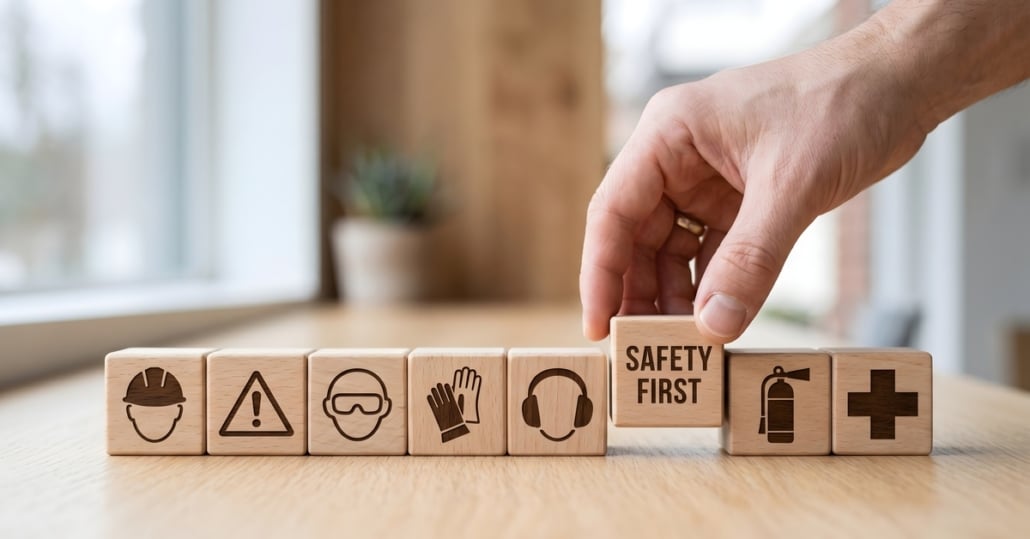
Managing one construction project brings enough safety challenges. Managing several at the same time adds another layer of complexity. Each site has its own schedule, subcontractor mix, work environment, equipment, and hazard profile.
Without a clear system, safety expectations can shift from project to project, even when the same company manages the work. Keep reading to understand how to standardize safety procedures across multiple projects.
Why Safety Procedures Drift Across Projects
Safety procedures usually drift when each project team builds its own habits. One superintendent may prefer one documentation process, while another may handle inspections, orientations, or toolbox talks a different way. Those differences can seem minor at first, but they create uneven performance when workers move between jobs.
Project size, schedule pressure, and subcontractor activity can also affect consistency. A large industrial project may have dedicated safety support, while a smaller project may rely more heavily on field leadership.
Build One Safety Framework Before Site Work Begins
Standardization starts before crews arrive on-site. Company leadership should define the core procedures every project must follow, regardless of location, client, or project duration. This framework should cover hazard reporting, inspections, incident response, orientation, pre-task planning, communication, documentation, and corrective action.
A strong framework does not replace project-specific planning. Each team can adapt the framework to match site conditions, contract requirements, local regulations, and client expectations. When a company brings in an onsite project safety professional, that person can help apply the same framework across different projects while still accounting for each site’s real risks.
Separate Core Standards from Site-Specific Requirements
Construction teams must know which procedures remain consistent and which procedures may change by project. Core standards should apply everywhere. These may include reporting near misses, documenting inspections, holding safety orientations, reviewing high-risk tasks, and escalating serious hazards.
Site-specific requirements should address conditions that vary. These may include access control, crane activity, confined spaces, electrical exposure, traffic flow, weather concerns, owner rules, and emergency response logistics.
Create Consistent Training Across All Projects
Training gives standardized procedures life in the field. Workers may read a policy once, but they need frequent instruction to understand how the company expects them to perform. Consistent training also helps subcontractors understand that safety expectations do not change from one project to the next.
The orientation process should introduce companywide safety expectations before covering site-specific details. This approach helps workers recognize the difference between the organization’s baseline standards and the unique conditions of the current project.
Align Toolbox Talks With Project Risk
Toolbox talks should support the safety framework, but they should not feel generic. A company can use a consistent structure while allowing each site to focus on current hazards. This keeps communication familiar, while giving crews information they can use that day.
For example, the format may require supervisors to review the task, identify hazards, discuss controls, confirm crew understanding, and document attendance. The topic may change based on upcoming lifts, energized work, excavation, hot work, material handling, or weather conditions.
Train Supervisors on the Same Expectations
Supervisors shape how safety procedures work in practice. If they understand the system, they can lead crews with confidence and consistency. If they receive different direction from project to project, the entire process becomes uneven. Companies should train supervisors on inspection expectations, documentation standards, hazard escalation, incident response, subcontractor coordination, and communication practices.
Standardize Documentation Without Creating Paperwork Overload
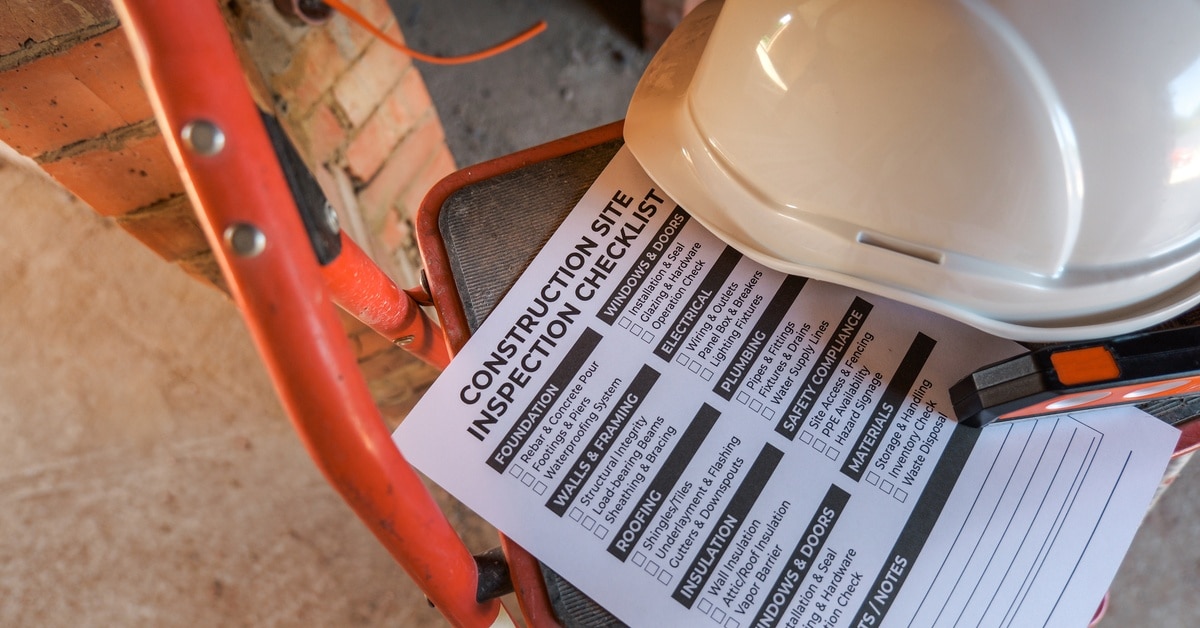
Documentation supports accountability, but too much paperwork can weaken the system. Teams may complete forms without using them to make better decisions. The best documentation process captures what matters and helps leaders identify problems before they grow. A standardized documentation system should define which forms each project uses, who completes them, their storage location, and how leadership reviews them.
Keep Forms Simple and Useful
Forms should guide action. An inspection form should help the user identify hazards, assign corrective steps, track completion, and confirm follow-up. A near-miss report should capture enough detail to help the company prevent repeat events.
Simple forms also improve consistency. If the process feels clear and manageable, teams are more likely to complete it accurately. When every site uses the same form structure, leaders can review information faster and compare project performance more effectively.
Use Communication Systems That Travel from Site to Site
Standardized safety procedures across multiple projects rely on communication. Crews must know how safety information moves, who receives it, and how quickly the team expects a response. Without a common communication process, important details can sit idle at one site or become lost between project teams.
Each project should follow the same basic chain for reporting hazards, escalating urgent concerns, sharing lessons, and communicating procedural updates. This means every project should understand how safety information flows.
Keep Messages Practical
Safety communication should help people act. Long, complex updates can dilute the message. Field teams need clear direction that explains what changed, why it matters, and what they need to do next.
Practical communication also builds trust. Workers respond better when safety messages connect directly to the work in front of them. Instead of sending broad reminders, leaders should explain specific expectations for the tasks, equipment, conditions, or incidents that prompted the update.
Audit Projects Against the Same Standard
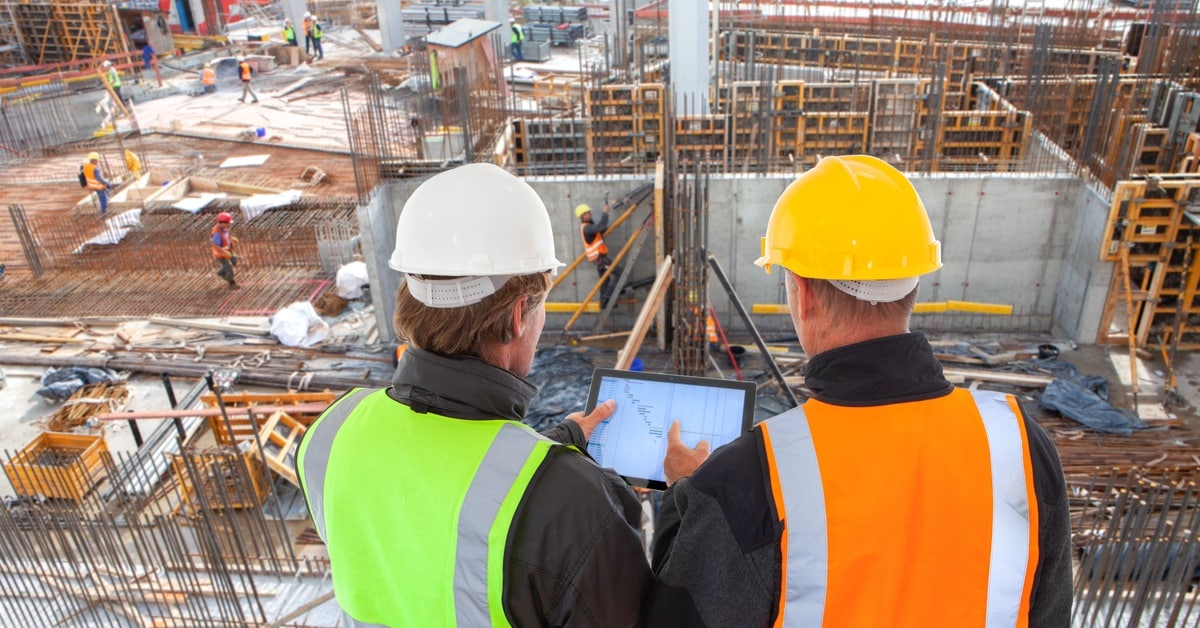
Audits help leaders confirm whether teams follow the standardized procedures. They also show where the written program and field practice do not match. Without audits, companies may assume consistency while each site drifts in a different direction.
A good audit process should measure each project against the same core expectations. It should review documentation, site conditions, worker understanding, supervisor engagement, subcontractor compliance, and corrective action follow-through.
Focus on Correction, Not Blame
Audits work best when teams see them as improvement tools. If workers and supervisors expect punishment, they may hide problems or rush through the process. If they see audits as a way to strengthen the project, they will participate more openly.
Compare Results Across Projects
A single audit gives insight into one site. Multiple audits reveal trends. When leaders compare results across projects, they can see where the company performs well and where it needs stronger support.
Support Standardization With the Right Safety Staffing
Standardized procedures need field-level ownership. Project managers and superintendents carry major responsibility, but they cannot manage every safety detail across active jobs.
Safety staffing can support inspections, orientations, training, documentation, hazard correction, regulatory alignment, and subcontractor coordination. On short-term projects, this support can help teams start strong and maintain consistency. On long-term projects, it can help prevent procedure drift as schedules change, scopes expand, and crews rotate.
Match Safety Support to Project Needs
Every project does not need the same level of safety support. A complex industrial project may need full-time onsite coverage. A shorter or lower-risk project may need periodic support, audits, or startup assistance. The company should match staffing decisions to project risk, schedule, workforce size, and owner requirements.
Build a Repeatable Safety System That Fits the Site
Systematizing safety across multiple projects helps construction teams reduce confusion, improve communication, and create more consistent field performance. Construction Safety Experts can help your team strengthen safety procedures, support active jobsites, and place qualified safety professionals where you need them. Contact Construction Safety Experts today to discuss safety support for your next project.


