

Data Center Construction Project Safety Best Practices
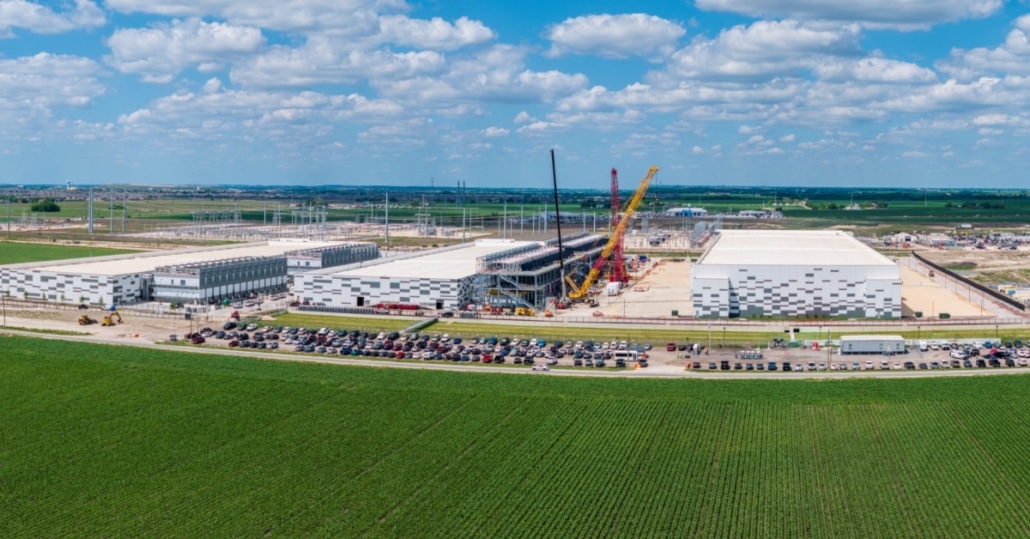
Data center construction combines traditional building hazards with complex electrical systems, large mechanical equipment, tight schedules, and strict technical requirements. Multiple contractors may work in the same area while crews install structural components, cooling systems, backup generators, switchgear, cabling, and fire protection equipment.
These overlapping activities create conditions that demand precise planning and consistent communication. Project leaders must account for changing work zones, temporary power, equipment deliveries, system energization, and commissioning activities throughout the construction schedule. Below, we’ll outline the safety best practices for data center construction projects.
Begin Safety Planning Before Mobilization
Effective safety management starts during preconstruction rather than after crews arrive. The general contractor, project owner, safety team, and major subcontractors should review the project scope, construction sequence, site layout, delivery routes, and anticipated high-risk activities.
This review should identify hazards associated with excavation, steel erection, roofing, electrical installation, crane operations, confined spaces, and system testing. Falls, electrocutions, struck-by incidents, caught-in hazards, silica exposure, and equipment contact are among the most serious risks in construction work.
Build Safety Requirements into the Schedule
The project schedule should account for the controls required to perform each phase safely. Teams may need additional time to install guardrails, establish exclusion zones, inspect lifting equipment, isolate energy sources, or coordinate shutdowns before work begins.
Project managers should also examine how one subcontractor’s activities could affect another crew. For example, overhead cable installation may conflict with floor-level equipment movement, while temporary electrical work may create new restrictions around wet areas or unfinished spaces.
Coordinate Every Contractor Under One Site Plan
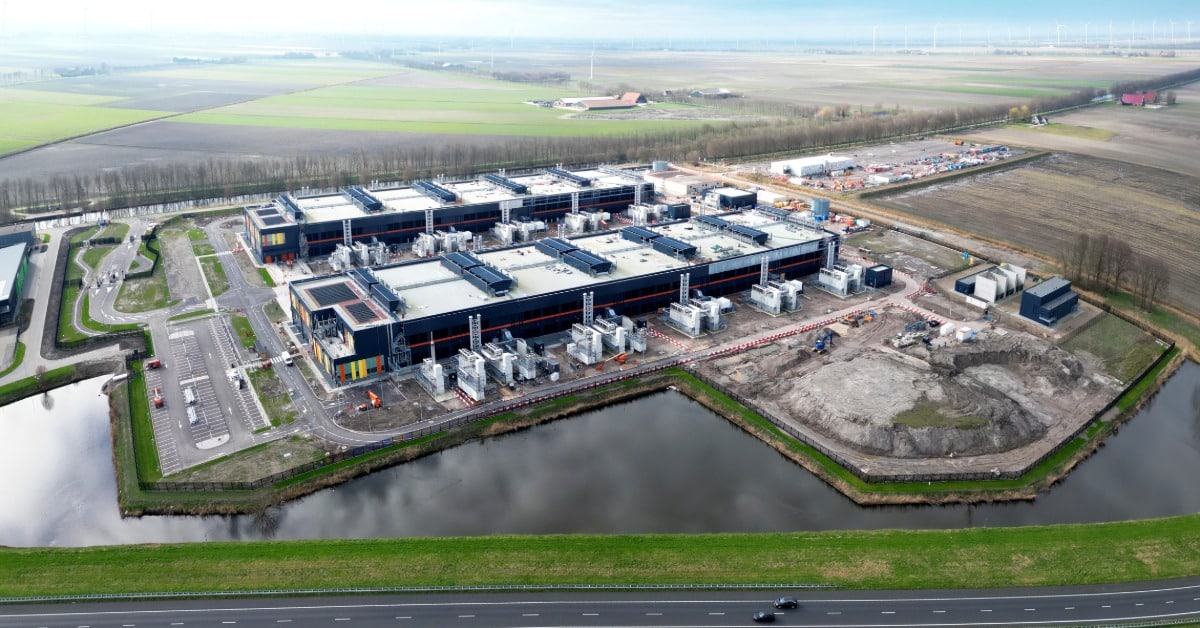
Data center projects may involve hundreds of workers from different companies. Each contractor may bring its own procedures, training standards, supervisors, and work methods. Without sitewide coordination, those differences can cause unclear responsibilities and inconsistent hazard controls.
A central safety plan should define site rules, reporting procedures, permit requirements, emergency responsibilities, and minimum training expectations. Professional safety consulting services can help project leaders evaluate contractor programs, identify coverage gaps, and create consistent procedures for complex phases of work.
Hold Regular Coordination Meetings
Daily planning meetings allow supervisors to discuss crew locations, equipment movement, deliveries, hazardous tasks, and access restrictions. These conversations should address the work taking place that day rather than rely entirely on broad weekly plans. Trade partners should communicate schedule changes as soon as they occur.
Control Electrical Hazards Throughout Construction
Electrical work represents one of the most significant safety concerns on a data center project. Crews may work around temporary power, permanent distribution equipment, battery systems, generators, switchgear, and energized components during different construction stages.
OSHA construction requirements address electrical hazards arising from equipment use and direct or indirect contact with energized lines near a jobsite. Project teams should restrict access to electrical rooms, protect temporary wiring, inspect cords and tools, and clearly identify energized areas.
Manage Temporary Power Carefully
Temporary electrical systems change as construction progresses. Crews may add circuits, relocate lighting, or connect new equipment as completed areas expand. Supervisors should verify that personnel complete these changes and that workers do not modify temporary systems without approval.
Protect Workers from Falls and Falling Objects
Fall protection is a cornerstone safety best practice for data center construction projects. Data center construction exposes workers to roof edges, elevated platforms, ladders, scaffolds, floor openings, steel structures, and unfinished stairways. These hazards can change quickly as walls, equipment, and permanent access systems take shape.
Project teams should inspect walking and working surfaces before each phase begins. Employers should assess whether surfaces can support workers and determine when fall protection systems are necessary.
Maintain Controls as Conditions Change
A guardrail installed during one phase may need to move when crews install ductwork, busways, or equipment. Removing protection without a replacement can expose multiple trades to the same opening or edge.
Supervisors should assign responsibility for inspecting barriers, covers, ladders, scaffolds, and personal fall protection systems. Crews should also secure tools and materials when overhead work could expose people below to falling objects.
Plan Crane Operations and Equipment Deliveries
Data centers require the placement of heavy generators, chillers, transformers, air-handling units, steel, and prefabricated components. These lifts may involve cranes, forklifts, telehandlers, rigging crews, delivery drivers, and spotters working within limited space.
Each lift plan should address equipment capacity, load weight, rigging configuration, ground conditions, swing radius, communication methods, overhead hazards, and exclusion zones. Crane safety standards include requirements for ground conditions, assembly, disassembly, inspections, operations, and fall protection.
Separate Workers from Moving Equipment
Site logistics should separate pedestrian routes from delivery lanes whenever practical. Marked walkways, controlled crossing points, trained spotters, lighting, and physical barriers can reduce the chance of workers entering equipment blind spots.
Delivery planning should also account for staging space. When materials arrive without a distinct unloading area, crews may block emergency access, congest travel routes, or place loads on surfaces that cannot support them.
Strengthen Housekeeping and Access Control
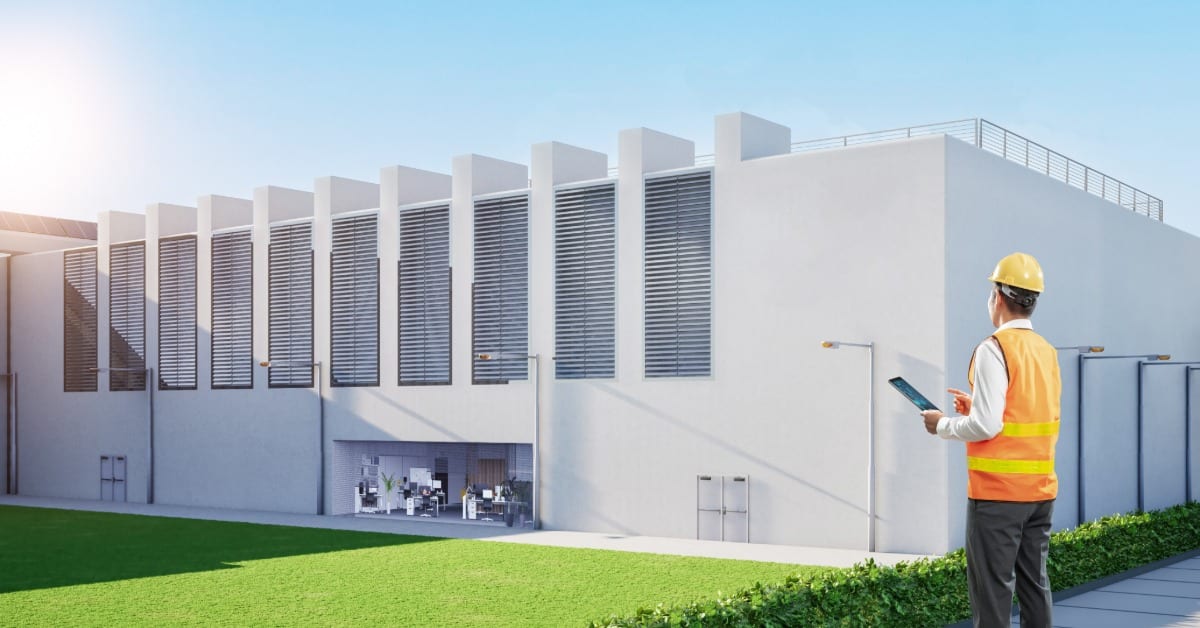
Large data center projects generate packaging, cable scraps, temporary cords, pallets, and construction debris. Poor housekeeping can obstruct exits, create trip hazards, damage electrical equipment, and restrict access for emergency responders.
Each contractor should remove waste from its work area and protect materials from shifting into travel paths. Supervisors should inspect corridors, stairs, electrical rooms, loading areas, and mechanical spaces throughout the shift rather than wait for end-of-day cleanup.
Control Entry into High-Risk Areas
Access requirements should become stricter as systems approach energization and commissioning. Signage alone may not prevent a worker from entering a restricted electrical room or active testing zone. Project leaders should use barriers, controlled keys or badges, permits, and designated attendants when conditions require them.
Prepare for Commissioning and Turnover
Commissioning introduces hazards that differ from standard installation work. Systems may start automatically, equipment may contain pressure or stored energy, alarms may activate, and temporary configurations may change with limited notice.
The commissioning team should coordinate with construction managers and trade supervisors before each test. Workers need clear information about affected areas, system status, test duration, emergency shutdown procedures, and access limitations.
Track System Status Visually
A clear status system can help crews distinguish equipment that remains under construction from equipment in testing or operation. Projects may use tags, signs, maps, barricades, digital logs, or room-specific permits to communicate status. An outdated label or incomplete turnover record can cause a worker to treat an energized system as inactive, or interfere with equipment that another group places into service.
Improve Performance Through Reporting and Review
Workers should have a simple process for reporting hazards, close calls, damaged equipment, and procedural conflicts. Supervisors should respond quickly, document corrective actions, and share relevant lessons across affected crews.
Project leaders should also review trends instead of treating each report as an isolated event. Frequent access violations, housekeeping concerns, or temporary-power defects may indicate that the project needs stronger supervision, better training, or revised controls.
Build Safety into Every Project Phase
Data center construction requires more than a standard set of site rules. The combination of dense trade activity, heavy equipment, electrical infrastructure, and commissioning work demands coordinated planning from preconstruction through final turnover.
Construction Safety Experts provides experienced safety professionals, customized training, consulting, and auditing support for complex industrial construction projects. Contact our team to discuss practical safety support for your data center project, schedule, and workforce.


