Loading
  • Link to LinkedIn
Call Us (919) 616-5240
Construction Safety Experts
  • Home
  • Safety Staffing
    • Safety Staffing Services
    • Project Safety Professionals
    • Audits
  • Locations
    • Southeast
    • Mid-Atlantic
    • Northeast
    • Mid-West
    • Southwest
    • Northwest
    • West
  • Crane Inspections
    • NCCCO Crane Operator Training
    • Crane & Rigging Safety Management
    • Qualified Crane Operator Training
    • Crane Inspections and Load Testing
  • Training
    • MSHA Safety Training
    • OSHA Construction Safety Training
    • NFPA 70E Training
  • Articles
  • About
  • Get a Quote
    • Raleigh
  • Menu Menu

News

Preparing Onsite teams for Construction Safety Risks

August 19, 2026/in News /by safetyexpert

Construction sites change from one shift to the next. New subcontractors arrive, work areas open and close, equipment moves, and schedules place different trades near one another. These changes can introduce safety risks even when a project begins with a precise plan.

Preparing onsite teams for construction safety risks requires more than distributing rules or completing an orientation. Project leaders must give workers the knowledge, resources, and direction they need to recognize hazards and make sound decisions throughout the workday.

Why Team Preparation Matters on Active Jobsites

Every worker affects site safety. Superintendents coordinate activities, foremen direct crews, equipment operators manage moving machinery, and individual workers make decisions within changing conditions. When each person understands their responsibilities, the team can address hazards before those hazards disrupt the project.

Poor preparation creates gaps between written procedures and actual field practices. Workers may understand general requirements but lack information about a specific lift, energized area, restricted zone, or nearby operation. Project leaders can close these gaps by making safety information timely, relevant, and easy to apply.

Connect Safety Expectations to the Work

Teams respond more effectively when leaders explain how safety requirements relate to scheduled tasks. A broad reminder to work safely provides little direction. A task-specific discussion can identify the equipment involved, the conditions workers may encounter, and the steps required before work begins.

This approach also helps workers understand why procedures matter. When teams can connect a requirement to a real hazard, they can apply that knowledge as conditions change.

Start Preparing Teams Before Work Begins

Preconstruction planning gives project leaders the best opportunity to anticipate risk. Leaders should review the scope, schedule, site layout, contractor responsibilities, and high-risk activities before crews mobilize. They should also identify where simultaneous operations may create conflicts between trades.

Projects with complex scopes, changing labor needs, or demanding schedules may benefit from onsite construction safety staffing that matches professionals with the project’s specific requirements. Dedicated safety personnel can help translate project plans into field practices, coordinate expectations, and maintain consistent oversight as work progresses.
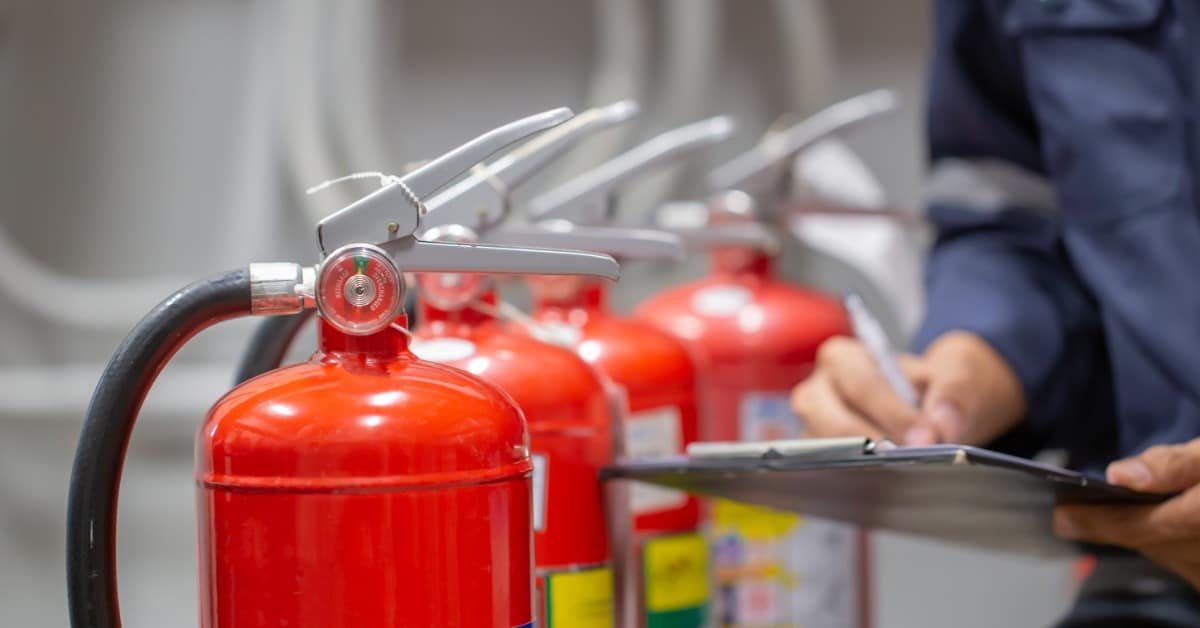
A close-up of a man writing on a blue clipboard in front of a row of four red fire extinguisher tanks.

Review Project-Specific Hazards

General industry knowledge provides a foundation, but each project presents a different set of risks. A data center may involve energized systems, controlled environments, and dense mechanical installations. A pharmaceutical project may require strict access procedures, while renewable energy construction may involve remote locations, heavy equipment, and electrical hazards.

The project team should review these conditions before assigning work. Leaders can then determine which activities require special training, additional supervision, permits, inspections, or coordination with other contractors.

Define Roles and Authority

Workers must know who manages safety decisions in the field. Project leaders should identify who conducts inspections, approves high-risk work, coordinates corrective actions, and communicates changes. They should also explain how workers can report hazards and who has authority to pause an unsafe activity.

Clear roles prevent delays and confusion. When workers know where to take a concern, the team can evaluate it quickly and respond before exposure increases. Defined authority also reinforces that production decisions must account for safety requirements.

Build an Effective Orientation Process

Orientation should introduce more than basic site rules. It should explain the project’s major hazards, emergency procedures, access controls, reporting process, personal protective equipment requirements, and expectations for communication. The content should reflect current site conditions rather than rely on a generic presentation.

Leaders should confirm that workers understand the information before assigning them to the field. Language differences, literacy levels, and varying experience can affect comprehension. Demonstrations, site maps, examples, and direct questions can help leaders verify understanding.

Address Contractor Coordination

Industrial construction projects may bring together many employers, crews, and specialties. Each contractor may follow its own internal procedures, but all workers must understand the sitewide requirements that govern shared spaces and overlapping activities.

Project leaders should communicate how contractors will coordinate deliveries, equipment movement, access restrictions, shutdowns, and high-risk work. Consistent expectations reduce the chance that one crew’s activity will create an unexpected hazard for another.

Strengthen Daily Safety Communication

A key aspect of preparing onsite teams for construction safety risks is strengthening daily communication. Daily planning meetings, toolbox talks, and pre-task discussions give teams opportunities to review current work and identify new risks.

Foremen and supervisors should encourage workers to speak when conditions differ from the plan. A blocked access route, damaged tool, weather change, or unexpected contractor can affect how a task should proceed. Teams need a reliable process for reviewing those changes before continuing work.

Make Pre-Task Planning Practical

A useful pre-task plan identifies the work steps, hazards, controls, necessary equipment, and responsible individuals. The team should complete the discussion close to the work area whenever possible. Seeing the environment can help workers identify concerns that may not appear in a written plan.

The discussion should also address what would require the team to stop and reassess. Workers may encounter a different soil condition, missing guardrail, equipment conflict, or change in access.

Encourage Clear Reporting

Workers may hesitate to report a concern when they expect criticism, delay, or dismissal. Supervisors can reduce that hesitation by responding professionally and taking each report seriously. A constructive response shows that the organization values early communication.

Reporting systems should remain simple. Workers need clear instructions for reporting hazards, close calls, damaged equipment, and incidents.

An overhead view of various construction safety equipment on a wooden table, including a hard hat, gloves, and masks.

Verify Readiness Through Field Observation

Training and planning only provide value when workers apply them correctly. Supervisors and safety professionals should observe work, ask questions, and compare field practices with project requirements.

These reviews should focus on improvement rather than fault-finding. Leaders can recognize correct practices, explain necessary adjustments, and determine whether the issue involves an individual action or a larger process weakness.

Correct Conditions Promptly

Delaying a correction allows exposure to continue. When an inspection identifies faulty equipment, a hazard, or a procedural gap, the project team should assign responsibility and establish a clear completion time. Leaders should verify the correction instead of assuming someone resolved it.

Some findings may require broader action. If several crews misunderstand the same requirement, the team may need to revise orientation materials, conduct additional training, or clarify a procedure.

Prepare Teams for Emergencies

Emergency readiness requires more than posting phone numbers. Workers should understand alarm signals, evacuation routes, assembly locations, severe weather procedures, medical response processes, and site-specific rescue considerations. Leaders should update this information as the site layout changes.

Drills and scenario discussions can reveal weaknesses that written plans do not show. Teams may discover they need a new access route, workers cannot hear an alarm, or supervisors lack current contact information. Correcting these issues before an emergency improves the project’s ability to respond.

Build Readiness into Every Phase

Preparing for safety risks requires continuous attention. Project leaders must identify hazards early, define responsibilities, communicate daily, observe field performance, and respond when conditions change. These actions help workers make informed decisions across every project phase.

Construction Safety Experts provides experienced onsite safety professionals for short- and long-term construction assignments. Contact Construction Safety Experts to discuss your project requirements and find a safety professional whose experience, certifications, and training capabilities fit your site.
Data Center Construction Project Safety Best Practices

August 10, 2026/in News /by safetyexpert

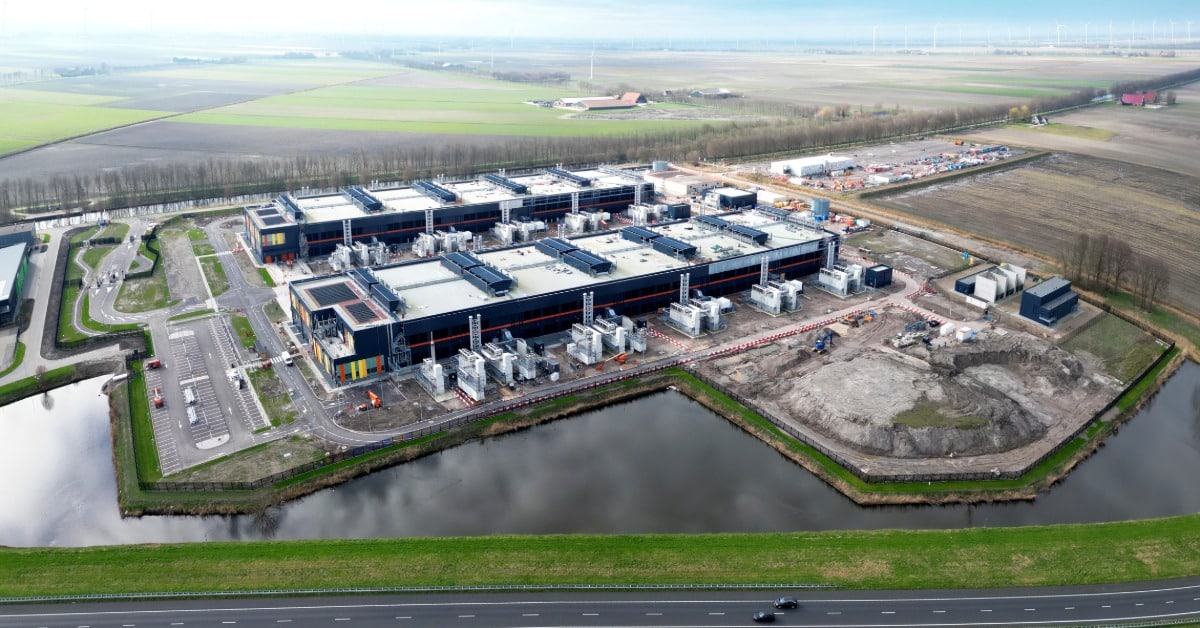
Data center construction combines traditional building hazards with complex electrical systems, large mechanical equipment, tight schedules, and strict technical requirements. Multiple contractors may work in the same area while crews install structural components, cooling systems, backup generators, switchgear, cabling, and fire protection equipment.

These overlapping activities create conditions that demand precise planning and consistent communication. Project leaders must account for changing work zones, temporary power, equipment deliveries, system energization, and commissioning activities throughout the construction schedule. Below, we’ll outline the safety best practices for data center construction projects.

Begin Safety Planning Before Mobilization

Effective safety management starts during preconstruction rather than after crews arrive. The general contractor, project owner, safety team, and major subcontractors should review the project scope, construction sequence, site layout, delivery routes, and anticipated high-risk activities.

This review should identify hazards associated with excavation, steel erection, roofing, electrical installation, crane operations, confined spaces, and system testing. Falls, electrocutions, struck-by incidents, caught-in hazards, silica exposure, and equipment contact are among the most serious risks in construction work.

Build Safety Requirements into the Schedule

The project schedule should account for the controls required to perform each phase safely. Teams may need additional time to install guardrails, establish exclusion zones, inspect lifting equipment, isolate energy sources, or coordinate shutdowns before work begins.

Project managers should also examine how one subcontractor’s activities could affect another crew. For example, overhead cable installation may conflict with floor-level equipment movement, while temporary electrical work may create new restrictions around wet areas or unfinished spaces.

Coordinate Every Contractor Under One Site Plan

Data center projects may involve hundreds of workers from different companies. Each contractor may bring its own procedures, training standards, supervisors, and work methods. Without sitewide coordination, those differences can cause unclear responsibilities and inconsistent hazard controls.

A central safety plan should define site rules, reporting procedures, permit requirements, emergency responsibilities, and minimum training expectations. Professional safety consulting services can help project leaders evaluate contractor programs, identify coverage gaps, and create consistent procedures for complex phases of work.

An aerial view of a large data center under construction and surrounded by water, with a road nearby on a sunny day.

Hold Regular Coordination Meetings

Daily planning meetings allow supervisors to discuss crew locations, equipment movement, deliveries, hazardous tasks, and access restrictions. These conversations should address the work taking place that day rather than rely entirely on broad weekly plans. Trade partners should communicate schedule changes as soon as they occur.

Control Electrical Hazards Throughout Construction

Electrical work represents one of the most significant safety concerns on a data center project. Crews may work around temporary power, permanent distribution equipment, battery systems, generators, switchgear, and energized components during different construction stages.

OSHA construction requirements address electrical hazards arising from equipment use and direct or indirect contact with energized lines near a jobsite. Project teams should restrict access to electrical rooms, protect temporary wiring, inspect cords and tools, and clearly identify energized areas.

Manage Temporary Power Carefully

Temporary electrical systems change as construction progresses. Crews may add circuits, relocate lighting, or connect new equipment as completed areas expand. Supervisors should verify that personnel complete these changes and that workers do not modify temporary systems without approval.

Protect Workers from Falls and Falling Objects

Fall protection is a cornerstone safety best practice for data center construction projects. Data center construction exposes workers to roof edges, elevated platforms, ladders, scaffolds, floor openings, steel structures, and unfinished stairways. These hazards can change quickly as walls, equipment, and permanent access systems take shape.

Project teams should inspect walking and working surfaces before each phase begins. Employers should assess whether surfaces can support workers and determine when fall protection systems are necessary.

Maintain Controls as Conditions Change

A guardrail installed during one phase may need to move when crews install ductwork, busways, or equipment. Removing protection without a replacement can expose multiple trades to the same opening or edge.

Supervisors should assign responsibility for inspecting barriers, covers, ladders, scaffolds, and personal fall protection systems. Crews should also secure tools and materials when overhead work could expose people below to falling objects.

Plan Crane Operations and Equipment Deliveries

Data centers require the placement of heavy generators, chillers, transformers, air-handling units, steel, and prefabricated components. These lifts may involve cranes, forklifts, telehandlers, rigging crews, delivery drivers, and spotters working within limited space.

Each lift plan should address equipment capacity, load weight, rigging configuration, ground conditions, swing radius, communication methods, overhead hazards, and exclusion zones. Crane safety standards include requirements for ground conditions, assembly, disassembly, inspections, operations, and fall protection.

Separate Workers from Moving Equipment

Site logistics should separate pedestrian routes from delivery lanes whenever practical. Marked walkways, controlled crossing points, trained spotters, lighting, and physical barriers can reduce the chance of workers entering equipment blind spots.

Delivery planning should also account for staging space. When materials arrive without a distinct unloading area, crews may block emergency access, congest travel routes, or place loads on surfaces that cannot support them.

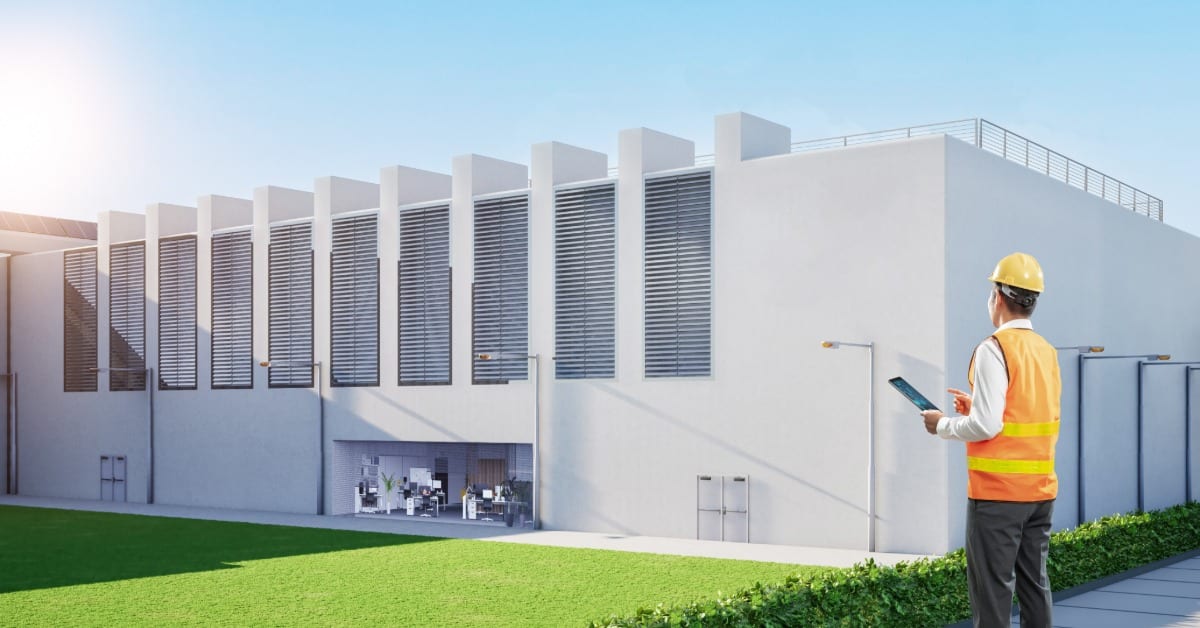
A man in a high-visibility vest with a hard hat and an electronic tablet stands on a pathway looking at a data center.

Strengthen Housekeeping and Access Control

Large data center projects generate packaging, cable scraps, temporary cords, pallets, and construction debris. Poor housekeeping can obstruct exits, create trip hazards, damage electrical equipment, and restrict access for emergency responders.

Each contractor should remove waste from its work area and protect materials from shifting into travel paths. Supervisors should inspect corridors, stairs, electrical rooms, loading areas, and mechanical spaces throughout the shift rather than wait for end-of-day cleanup.

Control Entry into High-Risk Areas

Access requirements should become stricter as systems approach energization and commissioning. Signage alone may not prevent a worker from entering a restricted electrical room or active testing zone. Project leaders should use barriers, controlled keys or badges, permits, and designated attendants when conditions require them.

Prepare for Commissioning and Turnover

Commissioning introduces hazards that differ from standard installation work. Systems may start automatically, equipment may contain pressure or stored energy, alarms may activate, and temporary configurations may change with limited notice.

The commissioning team should coordinate with construction managers and trade supervisors before each test. Workers need clear information about affected areas, system status, test duration, emergency shutdown procedures, and access limitations.

Track System Status Visually

A clear status system can help crews distinguish equipment that remains under construction from equipment in testing or operation. Projects may use tags, signs, maps, barricades, digital logs, or room-specific permits to communicate status. An outdated label or incomplete turnover record can cause a worker to treat an energized system as inactive, or interfere with equipment that another group places into service.

Improve Performance Through Reporting and Review

Workers should have a simple process for reporting hazards, close calls, damaged equipment, and procedural conflicts. Supervisors should respond quickly, document corrective actions, and share relevant lessons across affected crews.

Project leaders should also review trends instead of treating each report as an isolated event. Frequent access violations, housekeeping concerns, or temporary-power defects may indicate that the project needs stronger supervision, better training, or revised controls.

Build Safety into Every Project Phase

Data center construction requires more than a standard set of site rules. The combination of dense trade activity, heavy equipment, electrical infrastructure, and commissioning work demands coordinated planning from preconstruction through final turnover.

Construction Safety Experts provides experienced safety professionals, customized training, consulting, and auditing support for complex industrial construction projects. Contact our team to discuss practical safety support for your data center project, schedule, and workforce.

How To Standardize Safety Procedures Across Multiple Projects

August 10, 2026/in News /by safetyexpert

Managing one construction project brings enough safety challenges. Managing several at the same time adds another layer of complexity. Each site has its own schedule, subcontractor mix, work environment, equipment, and hazard profile.

Without a clear system, safety expectations can shift from project to project, even when the same company manages the work. Keep reading to understand how to standardize safety procedures across multiple projects.

Why Safety Procedures Drift Across Projects

Safety procedures usually drift when each project team builds its own habits. One superintendent may prefer one documentation process, while another may handle inspections, orientations, or toolbox talks a different way. Those differences can seem minor at first, but they create uneven performance when workers move between jobs.

Project size, schedule pressure, and subcontractor activity can also affect consistency. A large industrial project may have dedicated safety support, while a smaller project may rely more heavily on field leadership.

Build One Safety Framework Before Site Work Begins

Standardization starts before crews arrive on-site. Company leadership should define the core procedures every project must follow, regardless of location, client, or project duration. This framework should cover hazard reporting, inspections, incident response, orientation, pre-task planning, communication, documentation, and corrective action.

A strong framework does not replace project-specific planning. Each team can adapt the framework to match site conditions, contract requirements, local regulations, and client expectations. When a company brings in an onsite project safety professional, that person can help apply the same framework across different projects while still accounting for each site’s real risks.

Separate Core Standards from Site-Specific Requirements

Construction teams must know which procedures remain consistent and which procedures may change by project. Core standards should apply everywhere. These may include reporting near misses, documenting inspections, holding safety orientations, reviewing high-risk tasks, and escalating serious hazards.

Site-specific requirements should address conditions that vary. These may include access control, crane activity, confined spaces, electrical exposure, traffic flow, weather concerns, owner rules, and emergency response logistics.

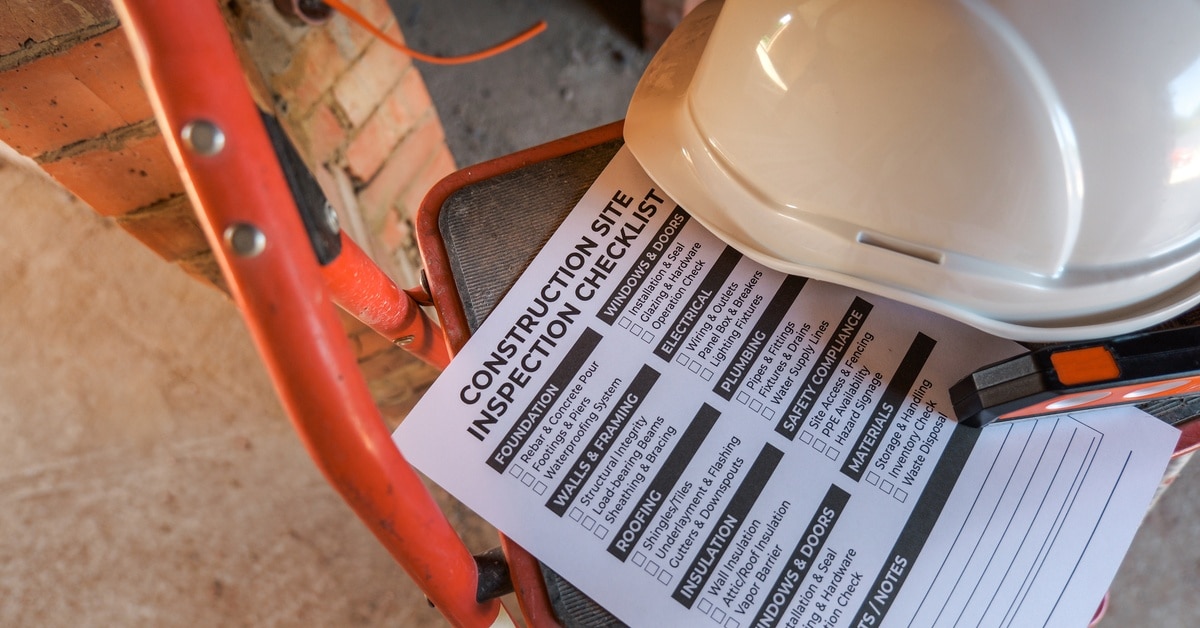
A close-up of a piece of paper on a stepladder next to a hard hat that reads "CONSTRUCTION SITE INSPECTION CHECKLIST."

Create Consistent Training Across All Projects

Training gives standardized procedures life in the field. Workers may read a policy once, but they need frequent instruction to understand how the company expects them to perform. Consistent training also helps subcontractors understand that safety expectations do not change from one project to the next.

The orientation process should introduce companywide safety expectations before covering site-specific details. This approach helps workers recognize the difference between the organization’s baseline standards and the unique conditions of the current project.

Align Toolbox Talks With Project Risk

Toolbox talks should support the safety framework, but they should not feel generic. A company can use a consistent structure while allowing each site to focus on current hazards. This keeps communication familiar, while giving crews information they can use that day.

For example, the format may require supervisors to review the task, identify hazards, discuss controls, confirm crew understanding, and document attendance. The topic may change based on upcoming lifts, energized work, excavation, hot work, material handling, or weather conditions.

Train Supervisors on the Same Expectations

Supervisors shape how safety procedures work in practice. If they understand the system, they can lead crews with confidence and consistency. If they receive different direction from project to project, the entire process becomes uneven. Companies should train supervisors on inspection expectations, documentation standards, hazard escalation, incident response, subcontractor coordination, and communication practices.

Standardize Documentation Without Creating Paperwork Overload

Documentation supports accountability, but too much paperwork can weaken the system. Teams may complete forms without using them to make better decisions. The best documentation process captures what matters and helps leaders identify problems before they grow. A standardized documentation system should define which forms each project uses, who completes them, their storage location, and how leadership reviews them.

Keep Forms Simple and Useful

Forms should guide action. An inspection form should help the user identify hazards, assign corrective steps, track completion, and confirm follow-up. A near-miss report should capture enough detail to help the company prevent repeat events.

Simple forms also improve consistency. If the process feels clear and manageable, teams are more likely to complete it accurately. When every site uses the same form structure, leaders can review information faster and compare project performance more effectively.

Use Communication Systems That Travel from Site to Site

Standardized safety procedures across multiple projects rely on communication. Crews must know how safety information moves, who receives it, and how quickly the team expects a response. Without a common communication process, important details can sit idle at one site or become lost between project teams.

Each project should follow the same basic chain for reporting hazards, escalating urgent concerns, sharing lessons, and communicating procedural updates. This means every project should understand how safety information flows.

Keep Messages Practical

Safety communication should help people act. Long, complex updates can dilute the message. Field teams need clear direction that explains what changed, why it matters, and what they need to do next.

Practical communication also builds trust. Workers respond better when safety messages connect directly to the work in front of them. Instead of sending broad reminders, leaders should explain specific expectations for the tasks, equipment, conditions, or incidents that prompted the update.

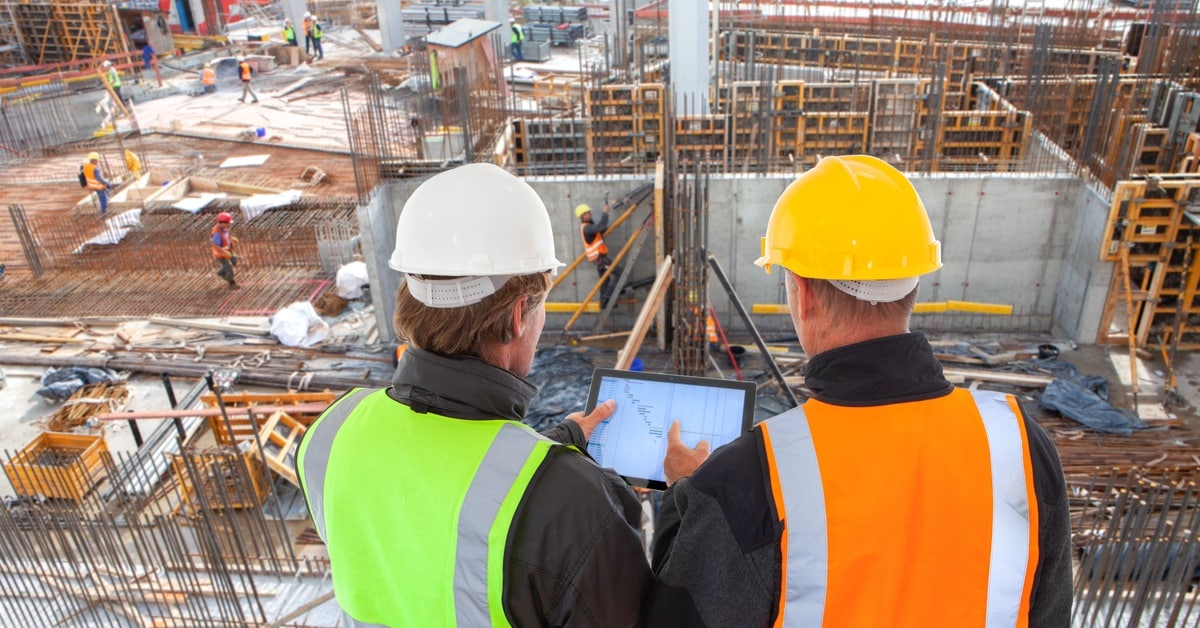
A rear view of two men in high-visbility vests and hard hats looking at an electronic tablet at a major construction site.

Audit Projects Against the Same Standard

Audits help leaders confirm whether teams follow the standardized procedures. They also show where the written program and field practice do not match. Without audits, companies may assume consistency while each site drifts in a different direction.

A good audit process should measure each project against the same core expectations. It should review documentation, site conditions, worker understanding, supervisor engagement, subcontractor compliance, and corrective action follow-through.

Focus on Correction, Not Blame

Audits work best when teams see them as improvement tools. If workers and supervisors expect punishment, they may hide problems or rush through the process. If they see audits as a way to strengthen the project, they will participate more openly.

Compare Results Across Projects

A single audit gives insight into one site. Multiple audits reveal trends. When leaders compare results across projects, they can see where the company performs well and where it needs stronger support.

Support Standardization With the Right Safety Staffing

Standardized procedures need field-level ownership. Project managers and superintendents carry major responsibility, but they cannot manage every safety detail across active jobs.

Safety staffing can support inspections, orientations, training, documentation, hazard correction, regulatory alignment, and subcontractor coordination. On short-term projects, this support can help teams start strong and maintain consistency. On long-term projects, it can help prevent procedure drift as schedules change, scopes expand, and crews rotate.

Match Safety Support to Project Needs

Every project does not need the same level of safety support. A complex industrial project may need full-time onsite coverage. A shorter or lower-risk project may need periodic support, audits, or startup assistance. The company should match staffing decisions to project risk, schedule, workforce size, and owner requirements.

Build a Repeatable Safety System That Fits the Site

Systematizing safety across multiple projects helps construction teams reduce confusion, improve communication, and create more consistent field performance. Construction Safety Experts can help your team strengthen safety procedures, support active jobsites, and place qualified safety professionals where you need them. Contact Construction Safety Experts today to discuss safety support for your next project.

Construction Safety Experts Founder Terry Young Elected President of Specialized Carriers & Rigging Association

June 10, 2017/in News /by safetyexpert

During the 2017 Annual Conference, April 18-22, at the Westin Kierland Resort, Scottsdale, Ariz., SC&RA elected Terry Young, Construction Safety Experts, Cary, N.C., as President.

View/Download the PDF ACT interview with Terry Young:
A conversation with new SC&RA President Terry Young
(PDF)

About Terry Young

  • President and CEO of Construction Safety Experts
  • 35 years of Construction Safety Experience
  • OSHA Instructor and OSHA VPP Star Assessor
  • President and Member of the Board of Directors of the Specialized Carriers and Rigging Association
  • 2002 International Risk Management Association Gary E Bird Horizon Award Winner
  • Associates in Risk Management from the Insurance Institute
  • Author of more than 70 published Safety Articles


Ready to improve existing safety programs? Develop a safety culture in your organization? Provide top quality safety programs?
Call Us! (919) 616-5240
Email Us!

Our Services

  • Professional Safety Staffing
  • OSHA Construction Safety Training
  • MSHA Safety Training
  • NFPA 70E Training
  • NCCCO Crane Operator Training
  • Qualified Crane Operator Training
  • Crane & Rigging Safety Management
  • Crane Inspections and Load Testing
  • Audits

Construction Safety Experts 30th anniversary logo with a yellow construction sign and a black banner

Construction Safety Experts, Inc.

Providing industry-leading safety staffing, crane inspections and safety training across the United States. Quality over quantity.

PO Box 1868

Cary, NC 27512

Contact Us

O: (919) 616-5240

M: (919) 632-1337

kyle.jackson@safety-xperts.com

Business Hours

Mon-Fri 8:00am – 8:00pm EST

24-hours or less response time to inquiries

Our Services

Safety Staffing

Crane Inspections

Safety Training

About Us

Meet CSE

Main Office

Recent
  • Four wooden locks stacked together to form a box with a graphic of a hand below a yellow heart that reads "SAFETY FIRST."
    Preparing Onsite teams for Construction Safety RisksAugust 19, 2026 - 10:31 amin: News
  • An aerial, landscape view of a large, multi-building data center under construction next to a green crop field.
    Data Center Construction Project Safety Best PracticesAugust 10, 2026 - 2:39 pmin: News
  • A close-up of a set of wooden blocks with various icons, with a hand pulling out one that reads "SAFETY FIRST."
    How To Standardize Safety Procedures Across Multiple Pr...August 10, 2026 - 11:09 amin: News
  • A laptop that displays an online health insurance form on its screen next to a hard hat and construction supplies.
    Planning Safety Coverage for Short- and Long-Term Proje...July 30, 2026 - 12:15 pmin: Safety Articles
Popular
  • The Basics of OSHA Compliance TrainingJune 3, 2015 - 11:00 amin: Safety Articles
  • Construction Site SafetyJune 10, 2015 - 7:23 pmin: Safety Articles
  • How A Safety Consultant Can Prevent Accidents On The Jo...June 17, 2015 - 10:21 pmin: Safety Articles
  • The Top 2 Reasons Why Your Company Needs Construction Safety...July 13, 2015 - 3:27 pmin: Safety Articles
Tags
COVID-19 Crane Operator Training Crane Safety Training NFPA NFPA 70E NFPA 70E Training NFPA Training OSHA
Construction Safety Experts | Call (919) 616-5240
  • Link to LinkedIn
Scroll to top Scroll to top Scroll to top