
Enhancing Crane Safety: Best Practices and Training Opportunities
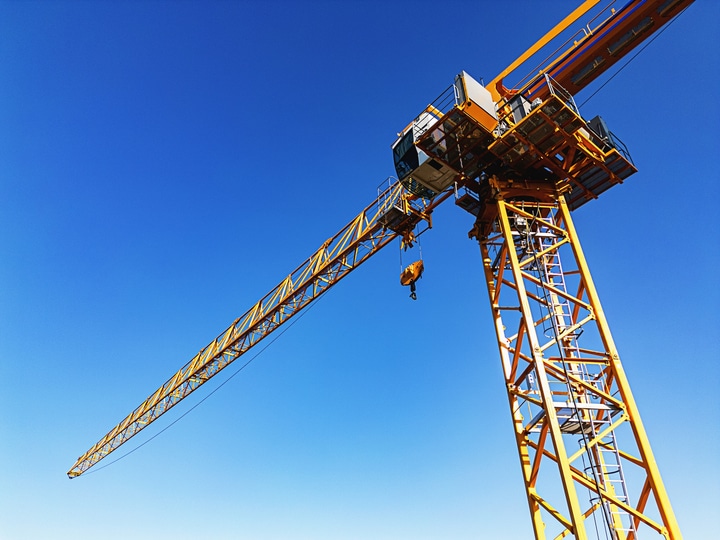
As summer brings longer days and accelerated project timelines, construction sites across North Carolina often see a surge in crane operations. Cranes play a crucial role in heavy lifting and material handling—but with that power comes significant risk. Improper crane operation is one of the leading causes of serious injuries and fatalities in construction.
Whether you’re managing mobile cranes, tower cranes, or overhead hoists, prioritizing crane safety is not just a regulatory obligation—it’s essential for protecting workers and preventing costly accidents.
Understanding the Risks of Crane Operation
Crane accidents can happen in a matter of seconds. Tipping, collapsing, dropped loads, and contact with power lines are just a few of the common incidents that result from improper setup, poor communication, or lack of training. According to OSHA, a significant number of crane-related incidents are preventable and often stem from human error.
Common risk factors include:
- Unstable or uneven ground conditions
- Overloading or exceeding capacity
- Lack of proper rigging techniques
- Operator distraction or fatigue
- Communication breakdown between operator and signal personnel
- Failure to conduct routine inspections
With the added pace of summer projects, there’s increased pressure to move quickly. But skipping safety steps in crane operations can lead to catastrophic consequences.
Key Best Practices for Crane Safety
To minimize risks and maintain a safe worksite, follow these essential safety practices:
1. Conduct a Pre-Lift Planning Meeting
Before any lift begins, involve the crane operator, signal person, riggers, and supervisors in a pre-lift planning session. Review load charts, lifting areas, communication methods, and any environmental factors that may impact the operation.
2. Inspect Daily, Document Thoroughly
All cranes must be inspected before each shift. Check for hydraulic leaks, fraying in wire ropes, cracked welds, and proper fluid levels. Load testing and annual third-party inspections should also be scheduled to meet OSHA and NCCCO standards.
3. Use Qualified Personnel Only
Only trained, certified operators should be behind the controls of a crane. Likewise, riggers and signal persons must have documented training specific to their roles. Simply being “experienced” isn’t enough—formal training is required to meet current regulations.
4. Stay Clear of Power Lines
Always maintain OSHA’s required minimum clearance distance when cranes are operating near overhead power lines. Use a dedicated spotter or signal person to guide operators in tight zones.
5. Monitor Weather and Wind Conditions
Sudden weather shifts are common during North Carolina summers. High winds, especially at elevation, can cause cranes to sway and destabilize loads. Shut down crane operations immediately when conditions become unsafe.
6. Communicate Clearly
Hand signals and radios must be used consistently and correctly. Assign a single, trained signal person to each crane operation, and eliminate distractions during lifts.
The Value of Professional Training
Crane safety training should not be treated as a one-time box to check. As regulations evolve and jobsite demands change, continuous education is key. High-quality training programs equip teams with up-to-date knowledge, reinforce correct operating procedures, and reduce the likelihood of accidents.
Construction Safety Experts offers customized training for crane operators, riggers, and signal personnel that meets national certification standards and state-specific requirements. Our programs combine classroom learning with hands-on instruction to ensure confidence and competence on the jobsite.
Strengthen Your Crane Safety Culture
Strong crane safety practices start with proper planning, certified personnel, and a team-wide commitment to doing things right. By focusing on proactive measures and investing in expert training, your site can operate with greater efficiency and significantly fewer risks.
At Construction Safety Experts, we offer crane safety evaluations, operator training, and jobsite consultation tailored to the demands of your projects. Call (919) 463-0669 today to raise the standard of crane safety on your jobsite.
Looking for ways to improve your lifting protocols or meet new certification requirements? Contact Construction Safety Experts for expert guidance and field-tested training solutions that keep your team working safely and confidently.


