
The Importance of Risk Assessments at Your Workplace
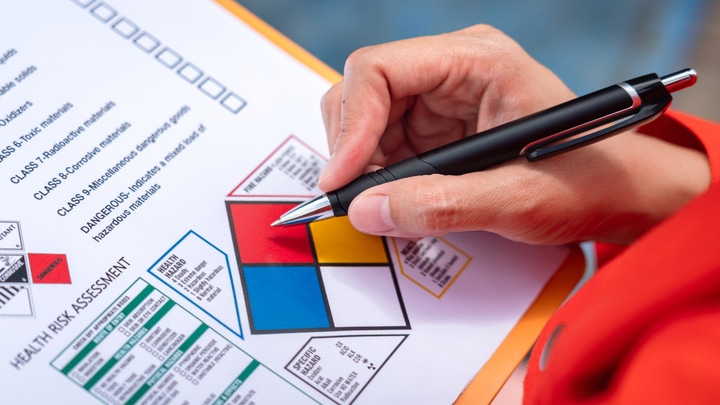
No matter what you do, or where you work, safety should be a top priority in every workplace. The construction industry (where the environment is inherently more hazardous), is a field in particular that requires proper and regular safety checkpoints to ensure a safe and seamless working experience. With that being said, thorough risk assessments are essential to protecting employees, preventing accidents, and boosting productivity!
Understanding Risk Assessment
A risk assessment is a systematic process for:
- Identifying potential hazards
- Evaluating risks associated with those hazards
- Implementing measures to control those risks
This approach helps organizations discover and mitigate risks before they cause any harm.
Key Steps in Conducting a Risk Assessment
The following steps are essential to conducting effective risk assessments.
1. Identify Hazards
The first step involves pinpointing anything that could potentially cause harm, including:
- Physical hazards, like machinery and electrical equipment
- Chemical hazards, such as toxic substances
- Ergonomic hazards that could cause musculoskeletal injuries
2. Determine Who Might Be Harmed and How
It’s also crucial to know who these risks might affect, including:
- Employees
- Contractors
- Visitors
- The public
3. Evaluate Risks and Decide on Precautions
Once hazards are identified, consider the likelihood and severity of harm they could cause. Based on this evaluation, you can determine appropriate precautions and control measures to take. Measures might involve:
- Engineering controls
- Administrative controls
- Personal protective equipment (PPE)
- A combination of the above
4. Record Findings and Implement Them
Documenting the findings of the risk assessment is essential. This not only serves as a reference for future assessments but also ensures accountability. The next step is to implement the control measures decided upon during the evaluation stage.
5. Review and Update the Assessment
Risk assessment is not a one-time task. Regular reviews and updates are necessary to accommodate changes in the workplace, such as new equipment, processes, or personnel.
The Benefits of Risk Assessment
Risk assessments can offer broad benefits that range from enhanced safety to saving money. Here are some top benefits companies can expect when they turn their risk assessment findings into precautions.
Enhanced Safety
By identifying potential hazards and implementing control measures, you can reduce the risk of accidents and injuries, creating a safer working environment for everyone.
Legal Compliance
Employers have a legal obligation to adhere to safety regulations and standards. Risk assessments help ensure compliance with regulatory laws so businesses can avoid legal penalties and fines.
Improved Efficiency
A safe work environment aids in a smooth-rolling day, and also boosts morale and productivity. Workers are more likely to do their best when they feel safe and protected.
Cost Savings
Preventing accidents and injuries can save substantial costs associated with medical expenses, compensation claims, and downtime. Investing in prevention now can offer years of savings, in many different ways!
Risk Assessment in Construction
The construction industry is particularly vulnerable to hazards. From working at heights and operating heavy machinery to being exposed to harmful substances, the risks are diverse and significant. These factors are even more the reason that risk assessments should be incorporated within the construction industry.
For example, when assessing the risk of falls from heights, control measures might include:
- Installing guardrails
- Using safety harnesses
- Providing comprehensive training on safe work practices
For hazardous substances, critical steps include:
- Ensuring proper ventilation
- Using appropriate PPE
- Training workers to follow emergency procedures
Effective Construction Safety Training and Consulting for Your Business
Risk assessment is a cornerstone of workplace safety, especially in high-risk industries like construction. It requires a meticulous approach to identifying, evaluating, and controlling hazards to protect workers and ensure a safe, productive environment.
Safety isn’t a one-size-fits-all regimen, though. It requires constant vigilance, adaptability, and a proactive approach. By understanding the significant risks, the preventive steps needed to mitigate them, and embedding a culture of safety in every workday, you can stop preventable incidents that interfere with project milestones and employee morale.
Construction Safety Experts offer world-class construction safety training and consulting. Reach out to us at (919) 463-0669 or through our website’s Contact Us page to learn more! Our integrated safety training and consulting services can ensure your teams have what they need to work productively and safely.


