

Managing Electrical and High-Risk Work in Data Centers
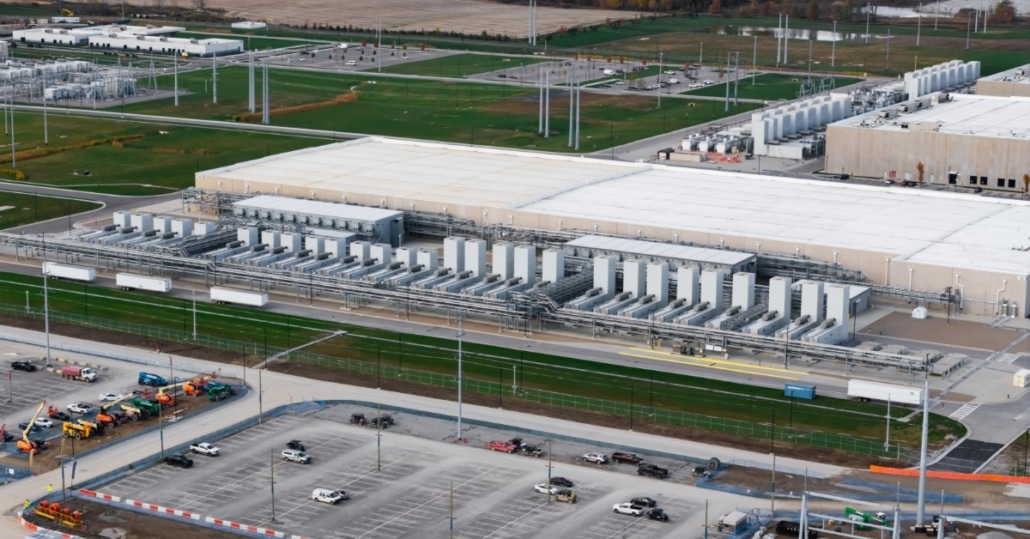
Data center construction brings together dense infrastructure, compressed schedules, and multiple trades working in tight spaces. That combination creates a serious safety challenge, especially when electrical systems, energized equipment, overhead work, and restricted access zones overlap. Teams cannot rely on general site rules alone when the work involves mission-critical power and complex installation sequences.
Contractors need a plan that treats electrical hazards and other high-risk tasks as connected issues instead of isolated events. In this guide, we’ll explain how to manage electrical and high-risk work in data centers for construction crews.
Why Data Centers Create Unique Safety Risks
Data centers differ from many other industrial projects because they combine standard construction hazards with highly sensitive operating requirements. Crews may work around temporary power, permanent electrical systems, battery storage, backup generation, cooling equipment, cable trays, and raised floor systems within the same footprint. These systems demand precision, but they also increase exposure to shock, arc flash, fire, struck-by hazards, and access control issues.
The work itself also moves fast. Owners and developers usually push for strict timelines because every delay can affect commissioning, occupancy, or service delivery. That pressure can lead crews to stack trades, compress work windows, and perform tasks in areas that would be easier to manage under a more phased schedule.
Start With Hazard Identification Before Work Begins
Strong risk control starts before crews enter the work area. Pre-task planning should identify where energized systems exist, where isolation points sit, which trades share the same space, and what conditions could change during the shift. Teams should review drawings, turnover information, and work packaging with a focus on real field conditions rather than assumptions made in the trailer.
Electrical work requires a higher level of detail. Supervisors need to confirm equipment status, define boundaries, verify lockout and tagout responsibilities, and communicate who controls each step of the sequence. They also need to account for temporary installations, testing activities, and any owner restrictions that affect how and when work can proceed.

Build the Plan Around the Actual Sequence of Work
A generic job hazard analysis will not protect a data center project by itself. The safest teams build their controls around the actual sequence of installation, energization, testing, and turnover. That means updating the plan as the site changes, not treating it as a document that gets filed after orientation.
For example, a space that was low risk during framing can become high risk once switchgear, busway, batteries, or temporary power enter the area. Safety planning must follow that transition. Leaders should reassess access routes, barricading, permits, PPE requirements, and emergency response expectations every time the work scope changes.
Control Electrical Hazards With Clear Procedures and Accountability
Electrical safety in data centers depends on disciplined execution. Every person involved in the work should understand the difference between de-energized work, work near exposed hazards, and tasks that involve testing or troubleshooting. That clarity matters because confusion around status or responsibility can lead crews to enter spaces with the wrong assumptions.
Crews must specify, verify, and consistently enforce lockout and tagout procedures. Teams should identify all energy sources, confirm isolation, test for the absence of voltage, and document the release of stored energy before work begins. They also need a defined process for group lockout, shift changes, and contractor coordination so that no step depends on memory or verbal handoff alone.
Do Not Separate Electrical Safety from Production Planning
Some projects treat safety review as a delay to production. In a data center, that mindset creates more disruption, not less. A shutdown, near miss, or injury can halt progress across multiple areas and trigger reviews that cost far more time than proper planning would have.
Project leaders should integrate safety checkpoints into production planning from the start. Coordination meetings should cover switching schedules, restricted work windows, delivery routes, testing timelines, and trade overlap with the same seriousness given to manpower and material status. When safety and production operate in parallel, the site performs with fewer surprises.
Manage Trade Coordination in Tight, Active Work Areas
Data center construction rarely gives each trade a large, isolated work zone. Electricians, low-voltage installers, controls technicians, mechanical crews, and commissioning teams may all work within a limited area while equipment, ladders, lifts, and materials compete for space. Without tight coordination, one crew’s work can interfere with another crew’s protection.
Leaders must define area ownership and communicate it daily. They should know who controls access, which permits apply, and what conditions must be met before another crew can enter. This becomes even more important during energization, startup, and systems testing, when conditions may change quickly, and the consequences of miscommunication rise.
Field Presence Makes a Difference
Policies matter, but field visibility changes outcomes. A qualified onsite project safety professional can help verify controls, monitor changing conditions, coach supervisors, and catch gaps before they become incidents. In high-risk environments, that daily presence supports consistency across shifts and subcontractors.
Construction Safety Experts provides onsite safety professionals for short-term and long-term assignments, along with consulting, audits, and specialized training programs delivered by experienced safety personnel. Our services help clients strengthen programs, identify deficiencies, and improve compliance before a regulatory inspection exposes a gap.
Train Crews for the Hazards They Will Actually Face
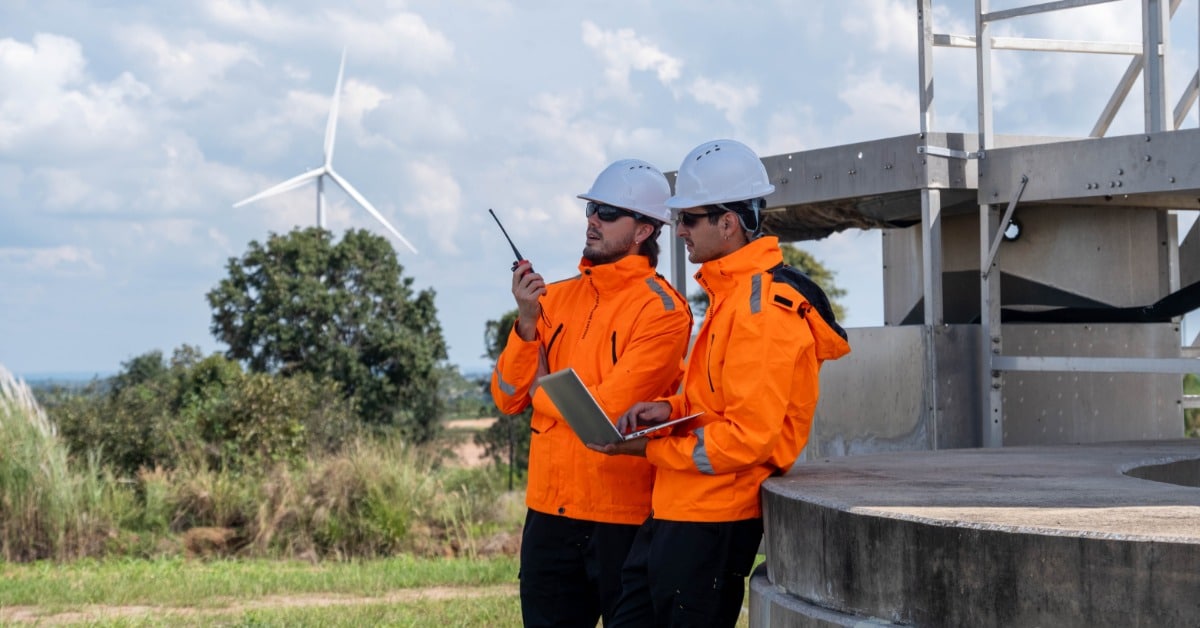
Training works best when it reflects the site, the task, and the level of risk involved. A general orientation provides a baseline, but data center work calls for more precise instruction on electrical awareness, lockout and tagout, energized boundaries, access control, and emergency response. Workers must know not just the rule, but how it applies in the exact environment where they will perform the work.
Supervisors should reinforce that training through pre-task reviews, field coaching, and corrective conversations that align with real conditions. That approach helps teams build better habits and keeps the site from drifting into routine acceptance of hazardous exposure. It also strengthens communication between management and craft workers, which becomes critical when work conditions shift midstream.
Keep High-Risk Work from Becoming Normal
One of the biggest dangers of managing electrical and high-risk work in data centers is normalization. When crews repeat complex work under pressure, they can start treating serious hazards as routine. In a data center, that mindset can affect electrical tasks, elevated work, equipment handling, and work near live systems.
Leaders should push back against that drift by auditing field conditions, reviewing permits, and addressing small deviations before they grow into accepted practice. They should also treat near misses and work stoppages as useful signals. These events can reveal planning gaps, staffing problems, or communication breakdowns that would otherwise remain hidden until a more serious incident occurs.
A strong safety culture does not eliminate risk from data center construction. It creates a structure for identifying risk early, controlling it consistently, and adapting before conditions move beyond the team’s control.
Conclusion
Electrical and high-risk work in data centers requires more than basic compliance. Contractors need strong pre-task planning, clear accountability, active coordination, and training that reflects the realities of the jobsite. When teams pair those efforts with experienced field safety oversight, they create a safer and more controlled path through complex work. Construction Safety Experts helps contractors strengthen that process with customized training, consulting, and onsite safety support built for high-risk industrial projects.


