

How Onsite Construction Safety Staff Improves Project ROI

Construction return-on-investment (ROI) depends on more than labor productivity, material pricing, and schedule control. Safety performance can influence every major cost center on a project, from insurance exposure and rework to downtime, turnover, and owner confidence.
On complex industrial jobs, one safety gap can create a chain reaction. A missed hazard can delay a critical lift, interrupt commissioning, trigger an investigation, or pull supervisors away from production. Keep reading to understand how onsite construction safety staff improves project ROI.
Safety Staff Help Prevent Costly Work Interruptions
Every construction delay carries a price. Crews still need direction, equipment still accrues costs, and project leaders still must answer to owners, partners, and stakeholders. When safety issues stop work, the cost can move through the entire schedule.
Onsite safety professionals help identify hazards before they turn into stoppages. They walk the site, monitor changing conditions, review work areas, and communicate concerns while teams still have time to respond. That active presence helps protect daily production and keeps work moving with fewer avoidable interruptions.
Early Hazard Identification Supports Better Planning
Industrial construction sites change quickly. Crews shift from civil work to steel erection, electrical installation, process piping, rigging, equipment setting, and commissioning activities. Each phase introduces new hazards, and each trade can affect the work of another.
A dedicated safety professional helps project leaders see those conflicts sooner. They can recognize unsafe access routes, poorly staged materials, crane swing concerns, fall exposure, electrical risks, and equipment issues before work starts.
Safety Oversight Reduces Reactive Decision-Making
Project teams lose money when they must solve preventable problems under pressure. Reactive decisions usually cost more because they involve downtime, urgent labor changes, rushed equipment moves, or revised work plans.
Onsite safety staff help teams move from reaction to prevention. They keep safety concerns in daily conversations, support pre-task planning, and help supervisors address risk before crews begin work. That structure improves decision-making because leaders have clearer information before production starts.

Strong Safety Performance Protects Labor Productivity
Another way onsite construction safety staff improve project ROI is by protecting labor productivity. When crews lose time because of unclear expectations, unsafe conditions, site confusion, or repeated retraining, the project absorbs the cost. Safety professionals help organize the jobsite, so workers understand what they need to do and how to do it safely.
This does not mean safety slows production. In a well-managed environment, safety supports production because crews spend less time waiting for corrections, recovering from incidents, or working around preventable hazards.
Better Orientations Help Workers Start Strong
New workers need more than a badge and a brief introduction to the site. They need to understand project-specific hazards, emergency procedures, access rules, reporting expectations, and the safety culture leadership expects from day one.
Onsite safety professionals can support orientations that connect general safety requirements to the actual work environment. That helps workers enter the site with clearer expectations and fewer assumptions. A stronger start reduces confusion, improves compliance, and helps crews become productive faster.
Daily Safety Presence Reinforces Accountability
A written safety plan matters, but it only creates value when workers and supervisors apply it in the field. Onsite construction safety staffing helps bridge the gap between documentation and daily execution.
Their presence reinforces accountability without forcing project managers to carry the full safety burden alone. They can observe work, answer questions, correct unsafe behavior, and support supervisors who need guidance.
Safety Professionals Help Control Compliance Risk
Regulatory risk can affect ROI through citations, fines, shutdowns, documentation issues, and reputational damage. Construction teams must meet applicable federal, state, and local requirements while also satisfying owner expectations and internal safety standards.
An onsite safety professional helps maintain that compliance posture throughout the project. They can review site conditions, support documentation, verify that safety procedures match the work, and help leadership prepare for inspections or owner reviews.
Documentation Supports Defensible Decisions
Strong documentation helps project teams show what they did, when they did it, and their response to hazards. That record matters when questions arise after an inspection, incident, near miss, or owner review.
Safety staff can help maintain training records, inspection notes, corrective action logs, orientation documentation, and other project safety records. Accurate documentation supports accountability and reduces confusion when project leaders must explain decisions.
Fewer Incidents Lower Hidden Project Costs
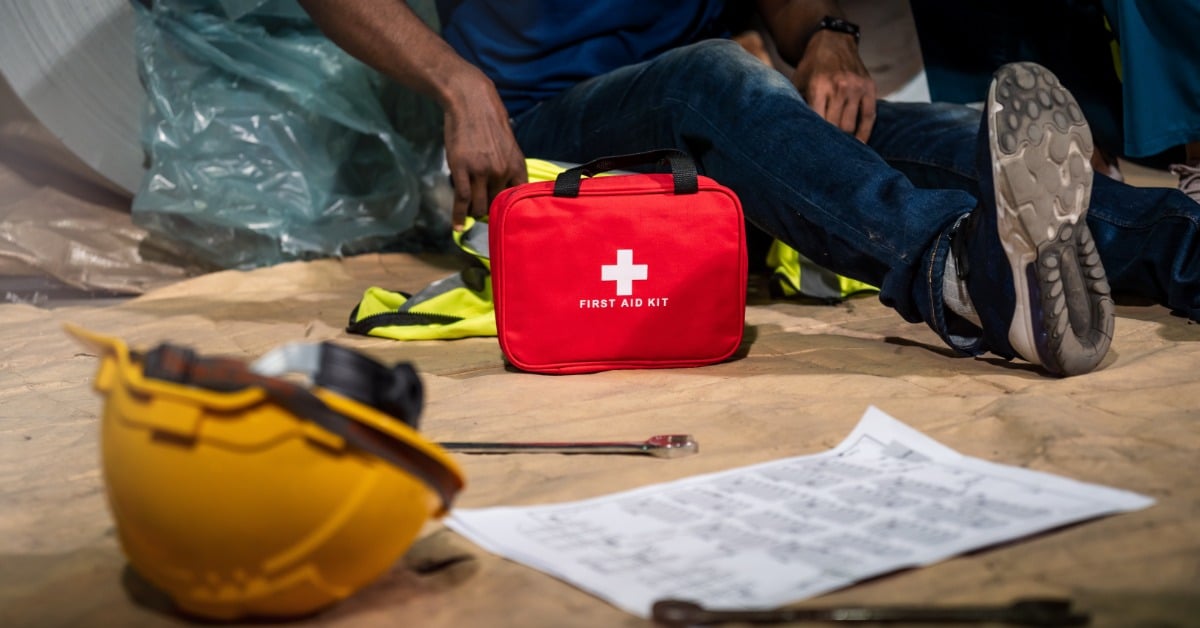
The direct cost of an incident may include medical care, repairs, or damaged materials. The hidden costs can reach much further. Teams may lose productivity, leaders may spend hours on investigations, schedules may shift, and morale may decline.
Safety professionals help reduce these hidden costs by focusing on prevention. They address hazards before they cause injuries, equipment damage, or operational disruptions.
Incident Prevention Protects Supervisory Time
Supervisors play a major role in productivity. When they must leave work to respond to incidents, complete urgent paperwork, coordinate investigations, or reorganize crews, production suffers.
Onsite safety staff help protect supervisory time by supporting inspections, worker coaching, documentation, and corrective action follow-through. Project leaders still own safety performance, but they gain a resource who helps manage the daily safety workload.
Safer Sites Support Stronger Worker Morale
Workers notice when leadership takes safety seriously. They also notice when safety only becomes important after something goes wrong. A consistent onsite safety presence can help build trust because workers see that the project values their well-being.
That trust can influence productivity and retention. Workers who feel protected and respected are more likely to report hazards, follow procedures, and stay engaged.
Onsite Safety Staff Improve Communication Across the Project
Communication problems create risk. A subcontractor may not know about a changed access point. A crew may miss a new energized work area. A lift plan may need updates after site conditions shift.
Small communication gaps can turn into expensive problems. Safety professionals help keep risk-related communication active across the project. They can participate in planning meetings, coordinate with supervisors, communicate safety updates, and ensure crews receive timely information.
Flexible Staffing Helps Match Safety Support to Project Needs
Not every project needs the same level of safety support for the same duration. Some sites need short-term coverage during a high-risk phase. Others need long-term support from mobilization through closeout. The right staffing model helps companies control costs while still protecting the project.
Flexible onsite safety support allows project teams to match expertise to actual need. That approach can improve ROI because companies avoid the cost and complexity of hiring permanent personnel when the project requires temporary, specialized, or phase-specific support.
The Right Fit Reduces Administrative Burden
Hiring, onboarding, insuring, and managing safety personnel can take time. For contractors that need coverage quickly, that administrative burden can delay support and strain internal teams.
Using an outside safety staffing resource can simplify that process. Project leaders gain access to qualified professionals without building a full internal hiring pipeline for every project.
Conclusion: Safety Staffing Is an ROI Strategy
Onsite safety staff do more than monitor compliance. They help protect schedules, support productivity, reduce incident exposure, strengthen communication, and give project leaders better control over daily risk.
Construction Safety Experts provides experienced onsite safety professionals for short-term and long-term assignments nationwide. Contact Construction Safety Experts today to connect your project with the right safety professional for your site, scope, and schedule.