

Integrating Safety Planning Into Preconstruction Processes

Preconstruction sets the tone for every phase that follows. Teams use this stage to define scope, evaluate costs, build schedules, review constructability, and align project partners before work begins. Integrating safety planning into preconstruction processes makes it part of how the project functions instead of a separate task that teams address after mobilization.
A strong safety plan starts before crews arrive, equipment moves in, or subcontractors begin work. For general contractors, subcontractors, and owners, this early planning supports a more controlled jobsite from day one.
Why Safety Belongs in Preconstruction
Safety planning works best when teams build it into project decisions instead of adding it after setting the schedule and budget. During preconstruction, project leaders still have time to adjust sequencing, access points, material delivery plans, and work methods. Those decisions can reduce risk before it reaches the field.
This is also where safety consulting services can help teams evaluate site-specific hazards, review written programs, and align expectations across contractors. Outside safety support can bring a fresh perspective to the planning process, especially on complex industrial projects with multiple trades, tight schedules, and high-risk activities.
When teams wait until construction starts, they lose valuable opportunities to prevent problems. A rushed safety plan may meet basic documentation needs, but it may not reflect real site conditions, trade overlap, or evolving project demands.
Connecting Safety to Scope, Schedule, and Budget
Every scope decision affects safety. A project that includes steel erection, crane lifts, electrical work, confined spaces, excavation, or elevated work needs clear controls before those activities begin. Preconstruction teams should review each major scope item and ask how workers will complete the task safely.
The schedule also needs a safety review. Compressed timelines can increase trade stacking, reduce planning time, and create pressure to cut corners. When safety leaders review the schedule early, they can identify high-risk overlaps and recommend better sequencing.
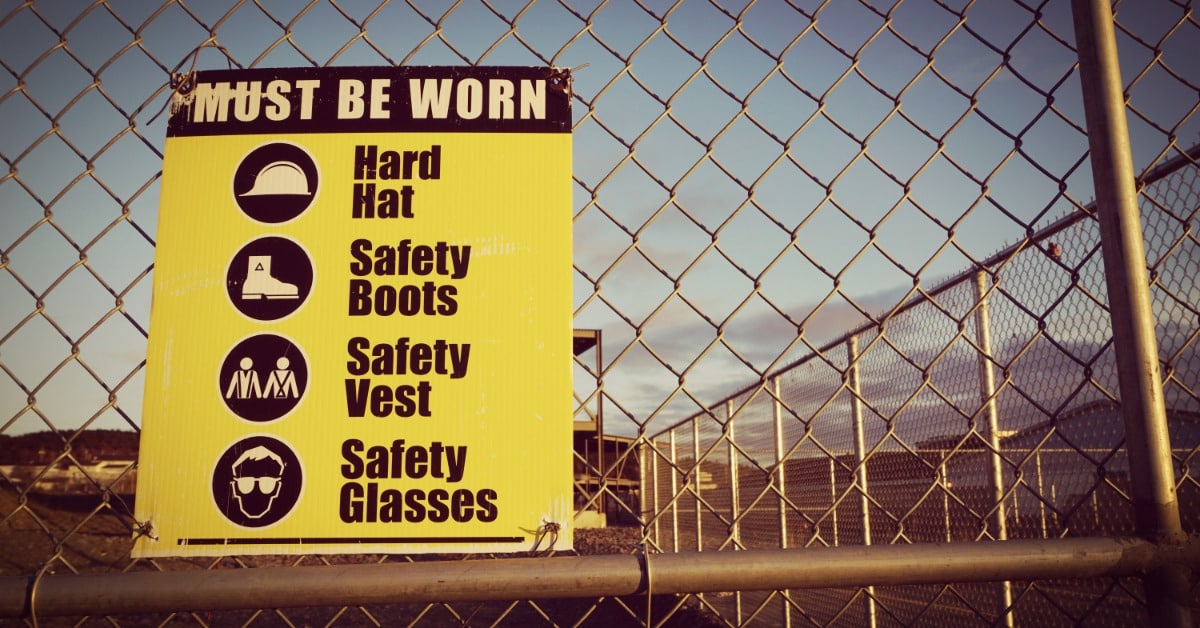
Budget planning should account for safety needs as well. Teams may need temporary protection systems, site signage, training, inspections, personal protective equipment, or dedicated safety staffing.

Identifying Project-Specific Hazards Early
Generic safety plans rarely address the full risk profile of a construction project. Each site has unique conditions, access challenges, environmental concerns, and operational constraints. Integrating safety planning into preconstruction processes allows teams to evaluate those factors before they affect daily work.
Site Conditions and Access
Site layout plays a major role in safety performance. Teams should review worker access, emergency routes, delivery paths, parking, laydown areas, and equipment movement before mobilization. Poor logistics can create congestion, struck-by hazards, and confusion between crews.
Access planning becomes especially important on industrial sites, data centers, pharmaceutical facilities, and renewable energy projects. These environments may include restricted areas, sensitive operations, heavy equipment, or strict owner requirements.
High-Risk Activities
Preconstruction teams should identify high-risk work before the first job hazard analysis takes place in the field. Crane operations, rigging, energized electrical work, hot work, trenching, elevated work, and confined space entry require additional planning. These activities require clear procedures, trained workers, and defined supervision.
Project leaders should also consider when these activities will occur and which trades will work nearby. A safe lift plan, for example, depends on ground conditions, access control, communication, weather, and the schedule around surrounding work.
Building Safety into Contractor Coordination
Construction projects depend on coordination between general contractors, subcontractors, vendors, and site leadership. Preconstruction gives those groups a chance to clarify safety expectations before work begins. Contractor coordination should include written safety requirements, training expectations, reporting procedures, and disciplinary policies. Each subcontractor should understand what the project requires and how leadership will enforce those standards.
Safety planning should also define how teams will communicate changes. Site conditions shift as construction progresses, and safety plans need a process for updates. When teams establish that process early, they respond faster when new hazards appear.
Using Preconstruction Meetings To Strengthen Safety
Preconstruction meetings should cover more than scope, cost, and schedule. They should include safety discussions that connect planning decisions to field execution.
Questions Teams Should Ask
Project teams should ask how workers will access each work area, where materials will move, and which tasks create the highest exposure. They should also ask what training workers need, what permits apply, and what inspections must occur before certain work starts.
Leaders should also discuss emergency response. A project should have clear procedures for medical emergencies, severe weather, fire, evacuation, and incident reporting.
Documentation That Supports the Field
Written safety documents should support daily field decisions. A project-specific safety plan should explain responsibilities, hazard controls, communication procedures, and inspection routines in a way that supervisors can follow.
Supporting documents may include job hazard analyses, emergency action plans, lift plans, fall protection plans, site logistics plans, and training records. These documents should work together instead of existing as separate files that no one connects to the project.
The Role of Safety Leadership During Preconstruction
Safety professionals can add value long before construction starts. They can review plans, identify hazards, advise on regulatory requirements, and help project teams build realistic controls. Their involvement bridges the gap between office planning and field execution.
A safety leader can also help evaluate subcontractor readiness. This may include reviewing safety histories, written programs, training records, and the ability to meet project-specific requirements. Strong subcontractor evaluation supports better performance once work begins.
Preventing Compliance Issues Before Work Starts
Regulatory compliance becomes much easier when teams plan for it early. OSHA requirements, owner standards, site-specific rules, and industry best practices can affect work planning and performance.
Preconstruction planning can also reveal gaps in training, documentation, or written programs. For example, a subcontractor may need fall protection training, a revised hazard communication program, or additional equipment inspection records. Finding these issues early gives teams time to correct them without delaying work.
Improving Communication Before Mobilization
Strong communication supports strong safety performance. Preconstruction gives teams time to decide how information will move between project leadership, safety staff, supervisors, and workers. Project leaders should define meeting rhythms, reporting expectations, and escalation paths. They should also decide how workers will receive safety updates, schedule changes, and hazard alerts.
This planning matters even more on fast-moving projects. When many trades work under tight deadlines, unclear communication can create serious risk. A clear communication process helps everyone understand what changed, who needs to know, and what action needs to follow.
Turning Preconstruction Planning into Field Action
A safety plan only works when teams carry it into the field. Preconstruction should create practical tools that supervisors can use during daily planning, toolbox talks, inspections, and coordination meetings. The goal is not to create a binder that sits in the trailer.
Field leaders should understand the plan before mobilization. They need to know the project’s major hazards, required controls, documentation expectations, and reporting procedures. This preparation helps supervisors lead with confidence from the first day on site.
Conclusion: Start Safety Before The Site Opens
Preconstruction gives project teams one of their best opportunities to reduce risk before work begins. When leaders integrate safety into scope, schedule, budget, contractor coordination, and compliance planning, they create a stronger foundation for the entire project. To strengthen safety planning before your next project begins, contact Construction Safety Experts for consulting support, project-specific planning, audits, and field-focused safety guidance.


