

Managing Construction Safety Risks During Summer Projects
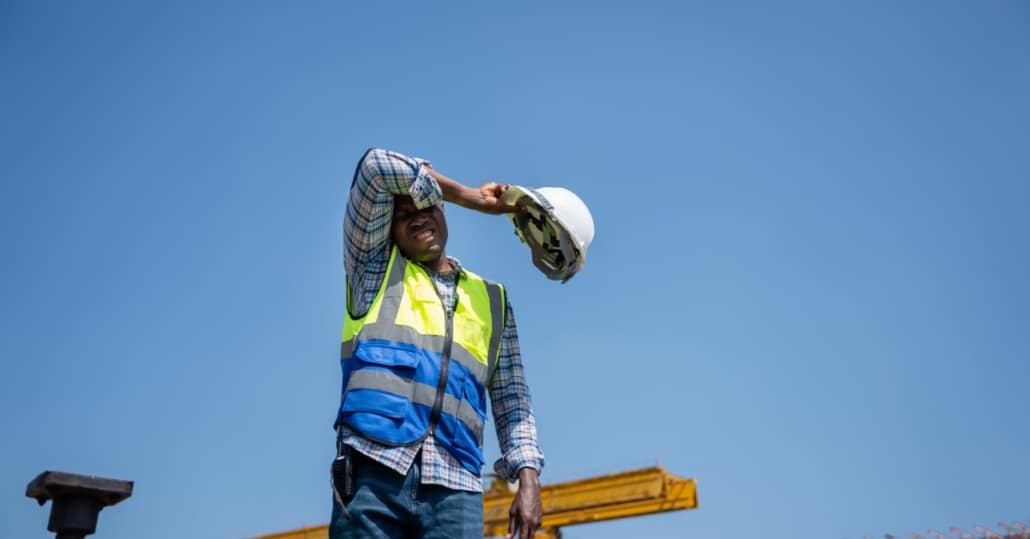
Summer can put construction teams under pressure from every direction. Longer daylight hours may help schedules, but heat, humidity, fatigue, storms, and fast-moving work can raise safety risks across the jobsite.
Crews need clear expectations, strong supervision, responsive planning, and a culture that treats heat-related hazards as serious jobsite risks. In this guide, we’ll offer guidance on managing these construction safety risks during summer projects.
Why Summer Projects Create Higher Safety Risks
Summer conditions can change how workers feel, move, think, and respond. High temperatures can increase fatigue, slow reaction time, and make routine tasks more demanding. When teams combine heat stress with heavy equipment, elevated work, electrical systems, crane activity, or confined work areas, the margin for error can shrink quickly.
Industrial construction projects can face even more pressure during the summer. Data centers, pharmaceutical facilities, manufacturing sites, and renewable energy projects may run on aggressive timelines. When owners expect steady progress, project leaders need construction safety services that support productivity without allowing crews to normalize unsafe conditions.
Heat Stress Needs Early Planning
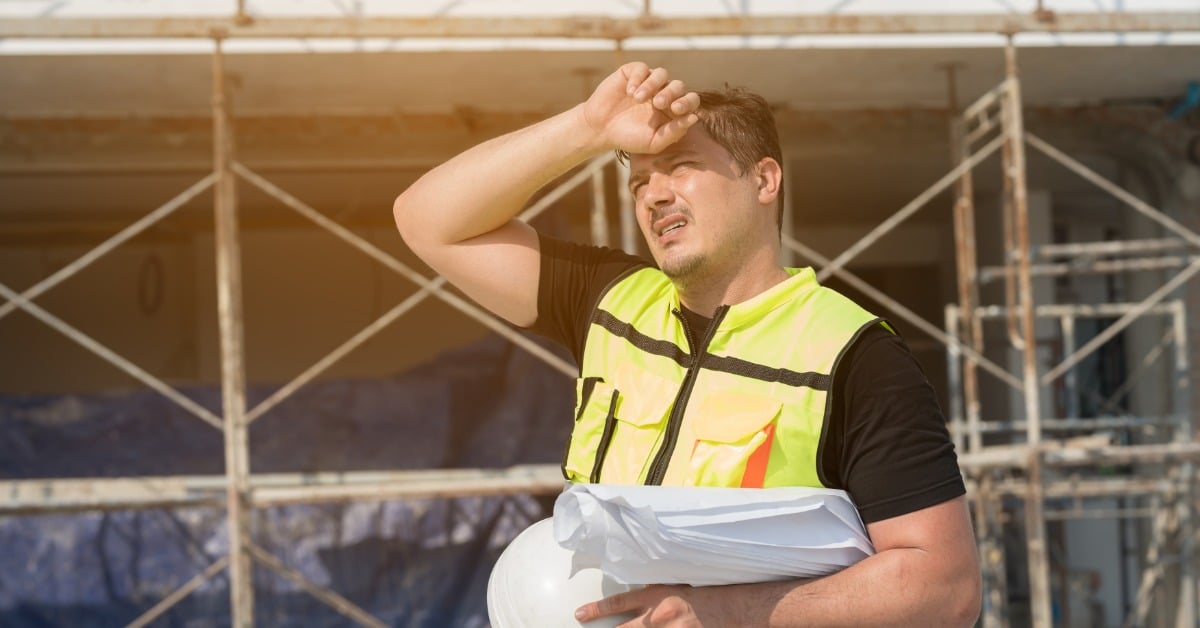
Heat stress should sit near the top of every summer safety plan. Workers may experience heat rash, cramps, exhaustion, or heat stroke, and supervisors must understand the warning signs before a situation becomes severe.
A strong plan begins before the hottest part of the season. Teams should review expected temperatures, job tasks, shift lengths, PPE requirements, and available shade.
Build Heat Awareness into Daily Communication
Crews need simple, direct reminders during daily planning. Supervisors should discuss the day’s heat index, high-risk tasks, hydration expectations, rest breaks, and reporting procedures before work begins.
These conversations should feel practical, not routine. A foreman can ask workers to watch for dizziness, confusion, heavy sweating, nausea, or unusual behavior in themselves and their coworkers.
Adjust Work Around Peak Heat
Project leaders should review which tasks require the most physical effort and schedule them with care. Crews may handle strenuous work earlier in the day, shift certain activities into shaded areas, or rotate workers through demanding tasks.
This approach protects workers and supports production. A team that manages heat with discipline can reduce unplanned stoppages, injuries, and emergency responses.
Hydration and Rest Breaks Require Structure
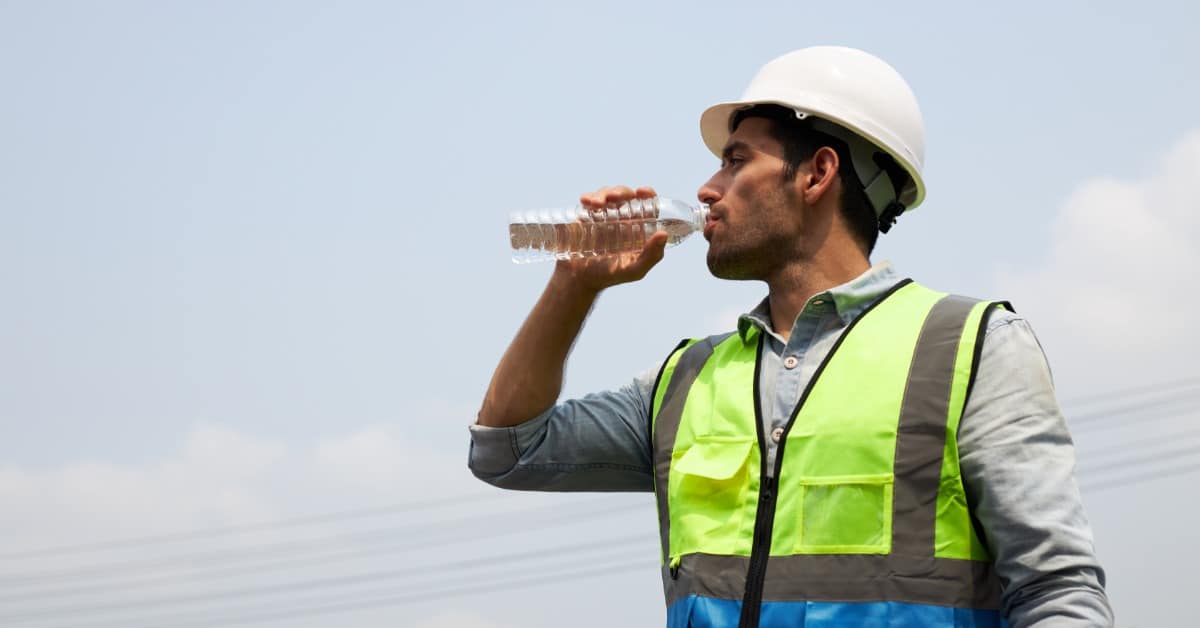
One of the most important aspects of managing construction safety risks during summer projects is planning for hydration and rest. A hydration plan should go beyond placing water on site. Workers need easy access to cool drinking water near active work areas. Supervisors should also encourage regular drinking before workers feel thirsty.
Rest breaks need the same level of structure. Crews should know when and where they can cool down, and supervisors should protect those breaks when temperatures rise. A short break in the shade can help workers recover, refocus, and return to the task with better awareness.
Watch For Barriers to Safe Hydration
Some workers skip water to rush work or because they don’t want to slow down the crew. Supervisors should address those habits directly and make hydration part of the job, not a personal preference.
PPE can also affect hydration and heat buildup. Workers wearing flame-resistant clothing, respiratory protection, chemical-resistant gear, or cut-resistant layers may need additional monitoring.
Fatigue Can Affect Every Trade on Site
Summer fatigue does not always look dramatic. A worker may move more slowly, miss a signal, forget a step, or take a shortcut without realizing the risk. In busy industrial environments, small lapses can create serious consequences.
Supervisors should watch for signs of fatigue during high-risk work. If a crew shows signs of strain, leaders should pause, reassess, and make adjustments before work continues.
Long Days Need Better Oversight
Extended daylight can tempt teams to stretch shifts, add overtime, or compress schedules. Long hours can help a project recover time, but they can also increase fatigue and reduce focus.
Project leaders should review staffing levels, shift plans, and supervision coverage before they approve longer workdays. Supervisors also need enough energy to lead, observe, and correct unsafe conditions throughout the day.
Storms and Severe Weather Can Disrupt Jobsite Safety
Summer weather can change quickly. Thunderstorms, lightning, high winds, heavy rain, and flooding can create immediate hazards for crews, equipment, materials, and temporary structures.
A severe weather plan should define who monitors conditions, who communicates a shutdown, where crews go, and when work can resume. Teams should not debate these decisions in the middle of a storm.
Secure Materials Before Weather Arrives
Wind can turn loose materials into hazards. Teams should secure tools, panels, insulation, formwork, signage, and temporary barriers before storms approach.
Rain can also affect walking surfaces, excavation stability, electrical equipment, and access roads. Supervisors should inspect affected areas before crews return to work.
Equipment and Vehicle Risks Increase in Summer Conditions
Heat can strain workers, but it can also affect equipment performance. Engines, hydraulics, tires, batteries, and cooling systems may need extra attention during high temperatures.
Operators should complete thorough inspections and report issues early. Preventive maintenance matters during summer because equipment failure can stop production, create struck-by risks, or place workers in dangerous repair situations.
Keep Traffic Control Clear and Visible
Dust, glare, and busy summer schedules can make traffic control more challenging. Drivers, operators, spotters, and pedestrians need clear routes and consistent signals.
Project teams should review access points, delivery areas, haul roads, and pedestrian walkways as site conditions change. Supervisors should communicate any traffic pattern changes before crews and vendors move through the area.
New Workers Need Stronger Summer Support
New workers may not understand site-specific hazards, heat expectations, emergency procedures, or the pace of industrial construction. They may also hesitate to report symptoms or ask for rest.
Leaders should pair new workers with experienced team members and reinforce reporting expectations from the first day. A worker should never feel that speaking up about heat, fatigue, or unsafe conditions will create a problem.
Training Should Match the Season
Summer safety training should address the hazards crews face in real time. Heat stress, severe weather, hydration, fatigue, equipment traffic, fall prevention, and emergency response all deserve attention during seasonal planning.
Training works best when teams connect it to the actual jobsite. Workers should understand how summer conditions affect their tasks, tools, PPE, and decision-making.
Supervisors Set the Tone for Summer Safety
A written plan matters, but supervisors bring that plan to life. Crews watch how leaders respond to heat, schedule pressure, shortcuts, and production demands.
Supervisors should model safe behavior, enforce expectations, and act quickly when conditions shift. A strong safety culture depends on trust, and trust grows when leaders respond with consistency.
Documentation Helps Teams Improve
Daily reports, inspections, incident reviews, and near-miss records can help project leaders find patterns. If the same area creates heat concerns, traffic conflicts, or weather delays, the team can adjust the plan.
Documentation also supports accountability. It shows that leaders identified hazards, communicated controls, and followed up when conditions changed.
Conclusion: Summer Safety Requires Active Leadership
Managing summer safety risks takes planning, communication, and steady field leadership. Heat, fatigue, storms, equipment strain, and schedule pressure can all affect jobsite performance, but teams can reduce those risks when they prepare early and respond quickly.
Construction Safety Experts helps contractors strengthen safety programs, support field teams, and manage jobsite risks with practical experience. Contact Construction Safety Experts to discuss safety training, onsite safety professionals, consulting, or auditing support for your next project.


