

How Onsite Inspections Prevent Costly Stop-Work Orders

A stop-work order can derail a project in a matter of hours. Crews lose momentum, schedules slide, subcontractors stack up, and leadership shifts attention away from production to damage control. What starts as one error or oversight can quickly turn into a major disruption.
That is why routine onsite inspections matter so much. A qualified onsite construction safety professional helps identify issues before they escalate into enforcement actions, shutdowns, or serious incidents. Keep reading to understand how onsite inspections prevent costly stop-work orders.
Why Stop-Work Orders Create More Than a Compliance Problem
Many project teams think about stop-work orders as a regulatory issue alone. In reality, the impact reaches every corner of a job. When work stops, labor costs continue, equipment remains idle, and coordination becomes harder by the hour.
The financial hit can spread quickly. General contractors may need to re-sequence work, subcontractors may lose production days, and owners may question the management of the site. Even after work resumes, the project team still must deal with recovery planning, trust issues, and pressure to make up lost time without introducing new risks.
How Onsite Inspections Reduce Risk in Real Time
Onsite inspections work because they create a consistent system for finding and correcting problems before they grow. Instead of waiting for an incident, complaint, or outside inspection to expose a gap, the project team addresses issues while there is still time to fix them without major disruption.
A strong inspection process brings discipline to the site. It helps verify that crews are using equipment correctly, access points remain safe, housekeeping stays under control, and high-risk tasks follow the right procedures. It also creates accountability. When someone checks conditions every day, hazards are less likely to blend into the background.
Common Issues That Lead to Stop-Work Orders
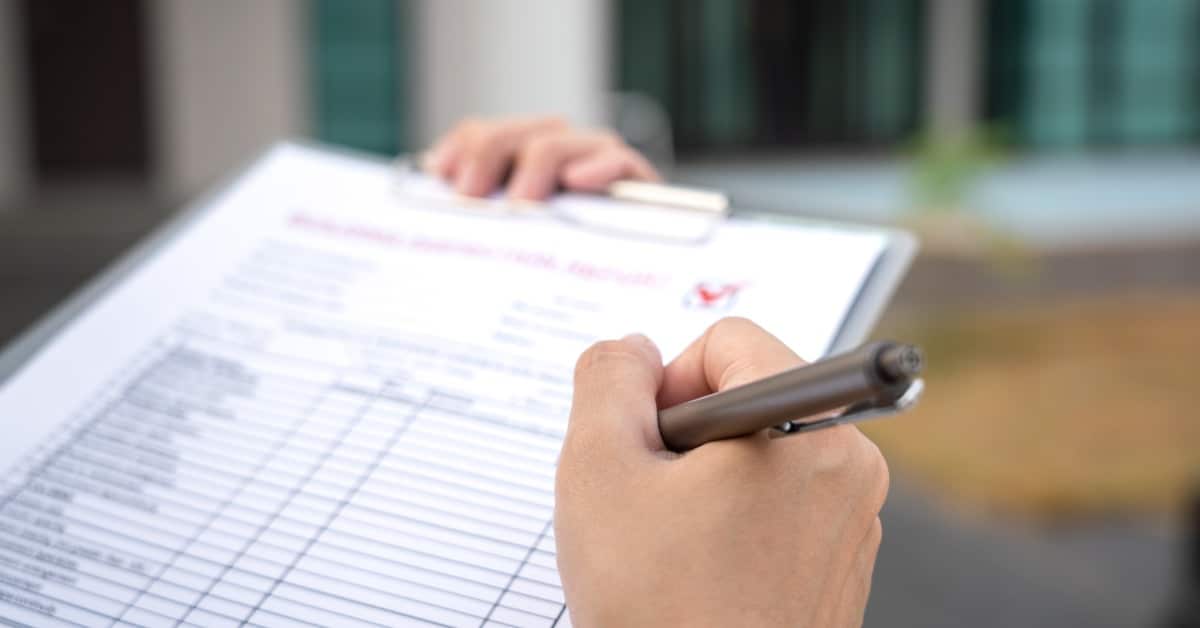
Onsite inspections prevent costly stop-work orders because they prevent common issues before they snowball into major problems. Below are some of the common issues that an onsite construction safety professional can resolve before they stop work entirely.
Uncorrected Hazardous Conditions
Open floor edges, poor access, damaged cords, improper material storage, and inadequate fall protection can all trigger serious concern. When these issues remain visible without remedy, they signal that site controls are weak.
Equipment and Tool Problems
Faulty equipment can create immediate danger. If a team continues to use broken ladders, defective power tools, or unsafe machinery, the risk level rises fast. A daily inspection program helps flag these issues before they contribute to an injury or a shutdown.
Gaps in Documentation and Site Controls
A project may have strong intentions but weak execution. Missing training records, poor pre-task planning, inconsistent orientations, or unclear responsibility lines can make a site look unready. During scrutiny from an owner, regulator, or controlling contractor, those gaps can become a serious liability.
Repeated Noncompliance Across Trades
One isolated issue is a problem. The same issue across several crews suggests a pattern. Repeated violations tell inspectors and stakeholders that the project lacks active control. That perception can push consequences from warnings into stoppages.
The Value of an Onsite Safety Professional
Safety responsibilities usually sit on the shoulders of several leaders at once. Superintendents, project managers, foremen, and company leadership all influence site conditions. Even so, they already manage production demands, manpower, coordination, procurement, and client communication. Without dedicated field-level safety support, critical details can slip.
An onsite safety professional fills that gap. Instead of relying on intermittent reviews, this professional focuses on conditions as they develop. They can walk the site, document findings, communicate corrections, follow up on unresolved issues, and keep leadership aware of trends before they become threats.
This kind of support also improves consistency across shifts and subcontractors. Different trades bring different exposures, and fast-moving industrial projects can change conditions by the hour. A safety professional helps align expectations across the site so that standards stay clear, corrections happen quickly, and the project team is not reacting from behind.
Inspections Help Protect Schedule, Budget, and Reputation
The biggest benefit of onsite inspections is not just hazard identification. It is control. A site with consistent inspections usually responds faster, communicates better, and documents corrective action more clearly. That reduces the likelihood that a small issue turns into a larger business problem.
Keep the Project on Schedule
From a schedule perspective, inspections keep work moving in a stable way. Teams can correct deficiencies before they affect sequencing. Supervisors can plan around known risks instead of discovering them in the middle of critical work. Leaders gain a clearer view of where to pay extra attention.
Avoid Going Over Budget
From a budget standpoint, prevention beats recovery. Delays, rework, downtime, incident response, and staffing disruption all cost money. Even when a stop-work order lasts only a short time, the ripple effect can remain for weeks.
Protect Your Reputation
Reputation matters too. Owners, construction managers, and trade partners notice how a project handles safety. A site that demonstrates visible oversight and prompt correction inspires more confidence than one that looks disorganized under pressure.
What Effective Onsite Inspections Should Include
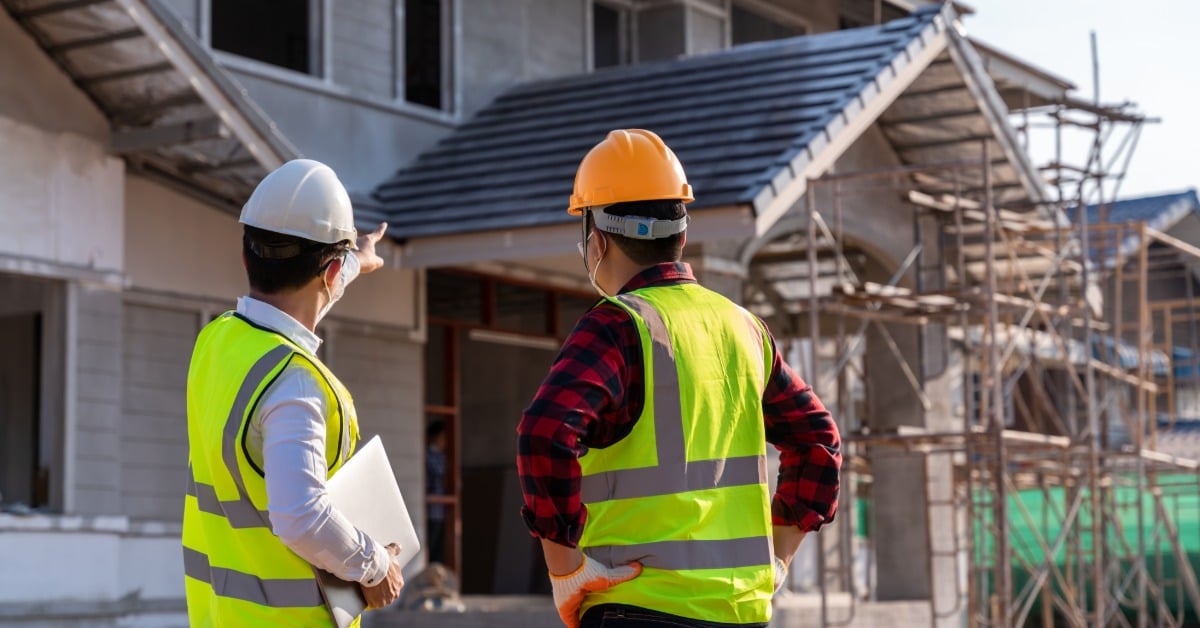
An effective inspection process is more than a checklist walk. It should reflect the real conditions of the site and the actual work taking place that day. The goal is to identify what could go wrong now, not simply verify that yesterday’s paperwork exists.
A good inspection reviews active work areas, access and egress, housekeeping, fall exposure, electrical safety, equipment condition, material handling, and any task-specific hazards for current operations. It should also confirm whether crews understand expectations and whether supervisors are following through on corrections.
Just as important, the findings must lead to action. Inspection notes should help the team prioritize issues, assign responsibility, and track closure. When the same hazards appear day after day, leadership needs visibility into that pattern so they can address the root cause rather than keep treating the symptom.
Why Staffing Flexibility Matters on Complex Projects
Not every contractor needs a full internal safety department for every phase of every project. Some jobs need dedicated support for a short duration. Others need long-term field coverage from mobilization through closeout. Industrial construction projects can also expand quickly, which makes hiring direct staff at the exact right time difficult.
That is where onsite safety staffing can create practical value. At Construction Safety Experts, our onsite safety staffing service provides qualified professionals for short- and long-term assignments nationwide, with daily inspection support, orientation assistance, and project-specific matching based on industry background and experience.
Prevention Is Cheaper Than a Work Stoppage
Stop-work orders do not just interrupt work. They expose weak points in planning, communication, and field oversight. By the time a shutdown happens, the project is already paying for missed opportunities and preventable risk.
For contractors that need stronger field oversight without adding permanent headcount, onsite safety staffing can provide immediate support where it counts most: on the jobsite, in real time, before a preventable issue turns into a stop-work order. If you need safety support for your project, contact Construction Safety Experts today.


