

Using Incident Data To Improve Future Project Safety Plans

Every construction project creates safety data, even when the team completes the work without a serious injury. When teams collect and study that information, they can improve future safety plans instead of repeating the same mistakes on the next project.
Incident data gives general contractors, subcontractors, and safety leaders a clearer view of how work happens in the field. It shows where planning matched reality, where crews faced unexpected risks, and where procedures failed to control hazards. Keep reading to understand how to use incident data to improve future project safety plans.
Why Incident Data Matters in Construction Safety
Incident data helps teams move beyond assumptions. A superintendent may believe a site struggled most with fall hazards, while the data shows frequent issues with material handling, traffic flow, or lockout procedures. Without a clear review process, teams may focus attention in the wrong place.
A strong safety plan should reflect real project experience. When teams review what happened on previous jobs, they can adjust training, staffing, inspections, and communication before the next project starts.
What Counts as Incident Data
Incident data includes more than recordable injuries. It also includes near misses, property damage, environmental releases, equipment failures, safety observations, audit results, orientation feedback, and stop-work events. Each source adds context about how hazards appear during daily work.
Near-miss reporting deserves special attention because it reveals risk before someone gets hurt. A dropped object that misses a worker, a lift that tips slightly during travel, or an energized panel discovered during setup can all expose planning gaps. Teams that treat these events as learning opportunities gain valuable insight without waiting for a serious outcome.
Finding Patterns Across Projects
The key to using incident data to improve future project safety plans is finding patterns. A contractor working across data centers, pharmaceutical facilities, renewable energy sites, and industrial projects may see recurring issues for the same type of work. Those patterns help leaders build stronger controls before the next job begins.
For example, frequent issues during crane setup may show a need for stronger lift planning, better ground condition review, or clearer communication between operators, riggers, and supervision. Repeated electrical near misses may point to gaps in lockout/tagout enforcement, panel labeling, or pre-task planning.
Reviewing Trends by Task and Phase
Incident data becomes more useful when teams sort it by task, phase, crew, location, and hazard type. Early-site work may show different risks than steel erection, mechanical installation, commissioning, or closeout.
Teams should review what happened during each phase and compare that information to the controls in the project safety plan. If incidents cluster during certain activities, the plan may need stronger procedures, more frequent inspections, better sequencing, or more direct field supervision during those activities.
Building Better Preconstruction Safety Plans
Preconstruction gives teams the best chance to use incident data before field pressure increases. During planning, safety leaders can review past incidents from similar projects and identify hazards that need stronger controls.
A data-informed safety plan should connect past lessons to future decisions. It should influence site logistics, subcontractor expectations, training topics, emergency planning, inspection schedules, and staffing levels.
Matching Controls to Known Risks
Incident data should lead to specific controls. If past projects showed numerous struck-by hazards near delivery zones, the next plan may need better traffic routes, dedicated spotters, barricades, delivery windows, and clearer pedestrian paths. If past work showed frequent heat-related concerns, the next plan may need better hydration planning, shaded recovery areas, acclimatization procedures, and supervisor check-ins.
The best controls address the conditions behind the data. Teams should avoid vague responses to pay better attention or be more careful. Those statements do not change the work environment.
Improving Training With Incident Data
Training becomes more effective when it reflects real project conditions. Generic safety topics have value, but incident data helps teams focus on the hazards workers will actually face. A crew preparing for high-voltage work, steel erection, confined spaces, or heavy equipment movement needs training that connects directly to those exposures.
Incident trends can also reveal where workers misunderstood a procedure. If multiple incidents show that crews skipped a verification step, the team may need to revise the training, simplify the process, or improve supervisor reinforcement.
Making Toolbox Talks More Relevant
Toolbox talks should connect to the work happening that day. Incident data gives supervisors real examples to discuss without relying on generic reminders. A recent near miss involving a ladder, lift, crane, trench, or energized system can help crews understand why a control matters.
These conversations should focus on prevention. Supervisors and onsite construction safety professionals can explain what happened, what changed, and what the crew should do differently during the next task.
Strengthening Inspections and Audits
Incident data can improve inspection schedules and audit focus areas. If past projects showed recurring issues with housekeeping, fall protection, equipment inspections, or confined space entry, safety leaders can place those topics higher on the inspection checklist.
Inspections should verify whether corrective actions solved the problem. If the same issue appears again, the team may need a stronger control, clearer accountability, or a different communication process.
Closing the Loop on Corrective Actions
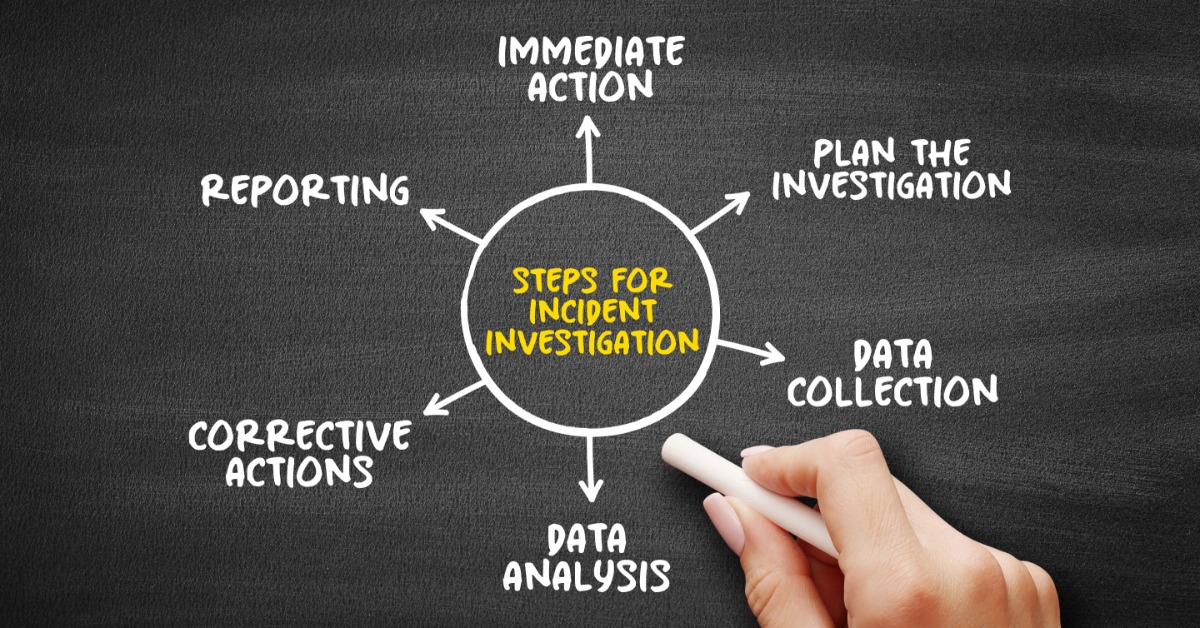
Corrective actions only help when teams complete them, verify them, and carry the lesson forward. A report that says “retrained crew” may not solve the underlying issue if the real problem involved scheduling pressure, missing equipment, or poor task sequencing.
Using Data Without Losing the Human Side
Incident data matters, but safety leaders should not reduce every concern to a number. Workers understand daily hazards in ways that reports may not fully capture. Field conversations, observations, and crew feedback help explain the story behind the data.
Creating Trust Around Reporting
A reliable incident database depends on trust. Workers must believe that reporting hazards, near misses, and minor incidents will lead to improvement. If they fear blame, embarrassment, or retaliation, the data will stay incomplete.
Supervisors set the tone through their response. When they listen, act, and communicate changes, workers see that reporting matters.
Applying Lessons to High-Risk Construction Environments
Industrial construction projects create complex safety challenges. Data centers, pharmaceutical facilities, renewable energy sites, and heavy industrial projects may involve electrical hazards, crane activity, elevated work, confined spaces, hot work, and overlapping subcontractor scopes.
These projects require strong coordination. One subcontractor’s work can create exposure for another crew working nearby. When teams review incident data across trades, they can improve communication, sequencing, access control, and shared hazard planning before conflicts appear in the field.
Supporting Safer Decisions During Active Work
Incident data should not sit untouched until the project ends. Teams can review trends during weekly safety meetings, subcontractor coordination meetings, and planning sessions.
For example, a rise in dropped-object observations may lead to an immediate review of tool tethering, barricades, material storage, and overhead work zones. A trend in equipment damage may trigger changes to traffic control, spotter use, lighting, or delivery staging.
Turning Incident Data into Safer Future Projects
Incident data gives construction teams a practical way to improve future project safety plans. When leaders review near misses, injuries, inspections, corrective actions, and worker feedback, they can identify patterns that deserve stronger controls. To strengthen your next project safety plan with experienced field support, contact Construction Safety Experts to discuss onsite safety staffing, consulting, and training solutions.


