

Why Poor Safety Coordination Leads to Project Delays
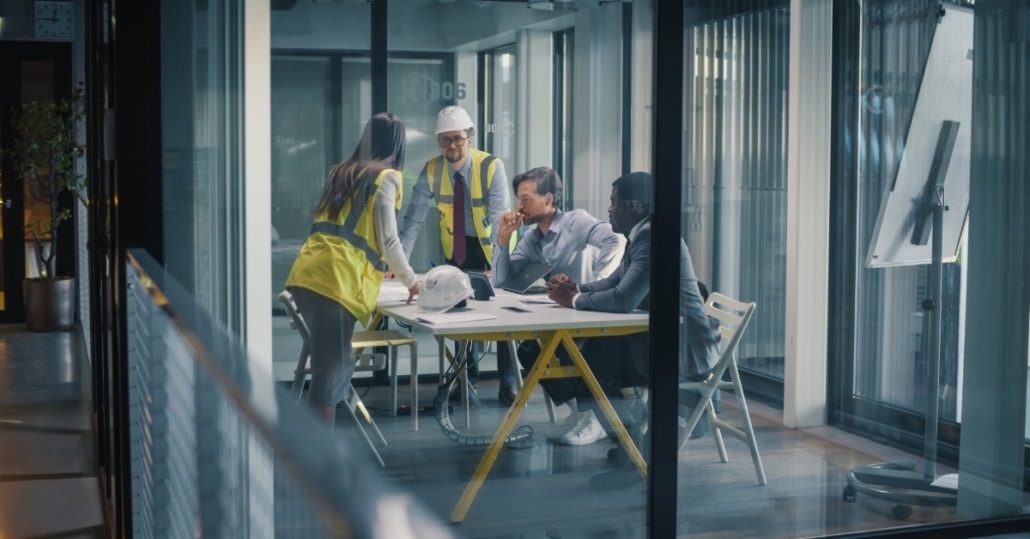
Construction schedules depend on more than materials, manpower, equipment, and sequencing. They also depend on how well each trade understands the safety expectations that shape daily work. When safety coordination breaks down, crews lose time to confusion, rework, incidents, inspections, access issues, and preventable shutdowns. Keep reading to understand why poor safety coordination leads to project delays.
Safety Coordination Connects the Field to the Schedule
A construction schedule only works when field conditions support the plan. If crews do not understand safety requirements before they start work, they may arrive with the wrong equipment, miss required permits, overlook exposure risks, or create conflicts with other trades. Those issues slow production because teams must stop, reset, and correct conditions that proper planning can address earlier.
Poor coordination also separates safety planning from project planning. That gap creates problems during high-risk activities such as crane lifts, energized work, confined space entry, steel erection, excavation, and work at height. When teams use OSHA compliance counseling early in the planning process, they can align regulatory expectations with site logistics, crew sequencing, and daily production needs.
Delays Start When Responsibilities Stay Unclear
Every contractor on a jobsite carries safety responsibilities, but those responsibilities can become unclear when multiple trades work in the same area. One crew may control access, another may create a hazard, and another may need to work nearby. Without clear coordination, each group may assume someone else is handling safety controls.
This confusion creates delays because field leaders must stop work to define responsibilities after the fact. They may need to revise work plans, reassign crews, adjust access routes, or bring in additional controls before work continues.
Trade Stacking Creates More Risk Without Coordination
One way that poor safety coordination can lead to project delays is trade stacking. Trade stacking can help compress schedules, but it also increases exposure when teams fail to coordinate. Electrical contractors, mechanical crews, steel crews, concrete teams, and equipment operators may all need the same space at different times.
If they overlap without a shared safety plan, they create congestion, struck-by hazards, fall exposures, and communication breakdowns. Coordination helps teams understand where work will happen, who needs access, and what controls must stay in place before the next crew enters the area.
Poor Communication Turns Small Issues into Schedule Problems
Construction teams move quickly, and small communication gaps can become large schedule problems. A missed pre-task conversation may leave workers unaware of changing conditions. A weak handoff between shifts may cause crews to repeat mistakes or start work in an unsafe area.
Strong communication does not require complex systems. It requires consistent expectations, timely updates, and field leaders who share information before crews begin work. Daily coordination meetings, pre-task plans, hazard reviews, and clear escalation paths help teams catch issues while they remain manageable.
Safety Meetings Should Support Production
Safety meetings lose value when teams treat them as paperwork exercises. Crews need practical information that connects directly to the work in front of them. A useful safety meeting addresses the day’s work, the hazards that may affect that work, the controls crews must use, and the changes that could affect surrounding trades.
When meetings support production, they help crews start faster and work with fewer interruptions. Supervisors can confirm who owns each control, where work zones begin and end, and how crews should respond if conditions change. This type of communication protects workers and supports schedule reliability.
Hazards Cause Rework and Lost Time
Without proper hazard management, work can stop completely or create delays through rework. For example, poor housekeeping may block access and slow material movement. Incomplete fall protection planning may force crews to re-stage equipment.
Rework also damages crew productivity. When workers must redo tasks due to safety requirements, the project loses labor hours and momentum.
Inspections Become Harder When Documentation Falls Behind
Documentation plays a major role in schedule control. Permits, training records, inspection forms, equipment certifications, and site-specific plans help prove that crews can perform work safely. When documentation falls behind, teams may need to pause work until they locate records, update forms, or correct missing information.
Poor documentation can also slow internal reviews and outside inspections. If a contractor cannot verify that safety controls are in place, the project may face delays while teams gather evidence or correct deficiencies.
Safety Coordination Helps Prevent Stop-Work Situations
A stop-work situation can disrupt far more than the crew. It can affect downstream trades, delivery schedules, inspections, and turnover dates. When work stops, project leaders must determine the cause, correct the condition, communicate the change, and confirm that crews can restart safely.
Strong coordination reduces the likelihood of these disruptions. It gives teams a process for identifying hazards, assigning responsibility, and confirming controls before work begins. It also gives workers the confidence to report concerns early, when teams can still solve the issue without a major schedule impact.
Field Leadership Makes the Difference
Safety coordination depends on field leadership. Superintendents, safety managers, foremen, and project managers must communicate clearly and act quickly when conditions change. They also must model the expectations they want crews to follow.
When leaders treat safety as part of the work rather than a separate task, crews respond more consistently. They recognize that a well-planned task should protect workers, reduce confusion, and support the schedule at the same time.

Planning Ahead Reduces Last-Minute Disruptions
Many safety-related delays begin before crews enter the site. If project teams do not review hazards during preconstruction, procurement, and scheduling, they may discover critical safety needs too late.
Early planning gives teams time to solve those issues before they affect production. Project leaders can review high-risk activities, plan access routes, schedule inspections, confirm training needs, and coordinate overlapping work.
Industrial Projects Need Extra Coordination
Industrial construction projects can involve strict site controls, special heavy equipment, tight schedules, and multiple high-risk work activities. Data centers, pharmaceutical facilities, renewable energy projects, and similar environments require close coordination because small disruptions can affect many interconnected tasks. Crews may need to work around sensitive equipment, clean work areas, energy systems, or critical path activities.
In these settings, safety coordination helps protect both workers and project continuity. It gives teams a shared understanding of site rules, hazard controls, and work sequencing.
A Coordinated Safety Program Builds Schedule Confidence
A coordinated safety program gives project leaders better visibility. They can see where hazards may affect progress, where crews need support, and where changing conditions require additional planning.
Coordination also builds trust between contractors and crews. Workers understand what the project expects, supervisors know how to escalate concerns, and project leaders can address problems before they become larger disruptions. That trust supports safer work and more predictable progress.
Keep Safety Coordination Central to Project Planning
Inept safety coordination causes work delays because it creates confusion, increases risk, slows communication, and forces teams to correct problems during active work. Strong coordination helps contractors align safety expectations with scheduling, staffing, documentation, inspections, and high-risk task planning. It also gives field leaders the structure they need to protect workers while keeping work moving. To strengthen safety coordination on your next project, contact Construction Safety Experts for experienced support that helps your team plan safer, work smarter, and reduce preventable delays.


