

Implementing Confined Space Safety Protocols in Construction
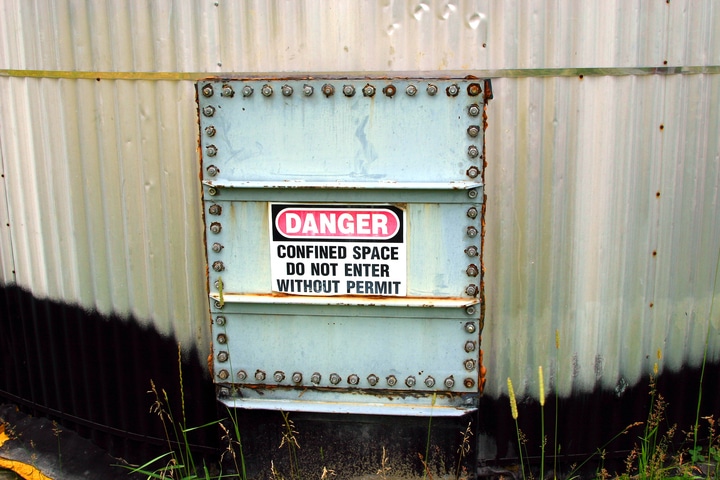
Confined spaces present some of the most serious hazards on construction sites, yet they are often overlooked until it’s too late. Trenches, manholes, crawl spaces, tanks, and utility vaults can all become dangerous—even deadly—if proper precautions aren’t taken. Whether the risk is low oxygen, toxic gas, or entrapment, confined space work requires strict planning, training, and oversight.
To keep workers safe, construction companies must not only identify confined spaces but also develop and implement thorough safety protocols based on federal regulations and industry best practices.
Defining a Confined Space
According to OSHA, a confined space meets the following three criteria:
- It is large enough for a worker to enter and perform tasks.
- It has limited or restricted entry and exit points.
- It is not designed for continuous occupancy.
Some confined spaces are also classified as permit-required if they pose additional hazards such as hazardous atmospheres, engulfment risks, or internal configurations that could trap workers. These spaces require a written entry program, specific permits, and a higher level of training and oversight.
Common Hazards Inside Confined Spaces
Even seemingly simple construction tasks—such as welding inside a tank or inspecting a vault—can become life-threatening in confined spaces. Hazards include:
- Oxygen deficiency or enrichment
- Toxic gases and fumes (such as carbon monoxide or hydrogen sulfide)
- Flammable atmospheres
- Mechanical hazards from equipment or tools
- Limited visibility and restricted movement
- Temperature extremes
- Potential for collapse or entrapment
The invisible nature of many of these risks makes them especially dangerous. Without proper testing and control measures, a confined space can quickly become a fatal environment.
Key Elements of a Confined Space Safety Program
To protect workers, construction companies should develop and implement a written confined space entry program that includes the following core components:
1. Hazard Identification and Risk Assessment
Survey each jobsite and identify all confined spaces. Determine whether they are permit-required and assess the types of hazards that may be present.
2. Atmospheric Testing
Before entry, test the air for oxygen levels, flammable gases, and toxic substances using a calibrated gas detector. Continue monitoring during the entry, especially in areas with poor ventilation.
3. Ventilation and Hazard Control
Use mechanical ventilation to maintain safe air quality and control environmental hazards. Eliminate or isolate sources of danger before workers enter the space.
4. Entry Permits and Documentation
For permit-required spaces, implement a formal entry permit system. The permit should specify the work to be done, authorized entrants, hazards, control measures, testing results, and emergency contacts.
5. Attendant and Rescue Protocols
Assign a trained attendant to remain outside the confined space at all times while workers are inside. Ensure a rescue plan is in place and that retrieval systems, such as tripods and harnesses, are available and used.
6. Training and Refresher Courses
All personnel involved in confined space work—including entrants, attendants, and supervisors—must be trained in hazard recognition, emergency procedures, and proper use of PPE. Annual refresher training is recommended.
Building a Culture of Caution
Confined space safety isn’t just about compliance—it’s about protecting lives. Workers must be empowered to speak up when conditions seem unsafe and be equipped with the tools, knowledge, and support needed to follow procedures correctly.
At Construction Safety Experts, we specialize in developing confined space entry programs tailored to your jobsite needs. From hazard assessments to hands-on training, our team is ready to help you safeguard your crew and maintain compliance with evolving standards.
Call (919) 463-0669 today to strengthen your confined space safety protocols and create a safer jobsite for every worker.
Need expert guidance on training, equipment, or documentation? Contact Construction Safety Experts for trusted support that keeps your projects moving forward—safely and efficiently.


