
Ensuring Welding Safety in the Industrial Workplace
Welding is an integral part of the manufacturing and construction industry. But beneath the sparks, there’s a considerable risk of danger, which warrants the utmost attention to safety protocols for welders and all those who share their workspaces. Whether you’re already familiar with the fundamentals or are just starting, a comprehensive review of welding safety is crucial. This article will explore the essential measures to ensure the well-being of all industrial workers engaged in the welding process.
Understanding Welding Safety
Welding safety encompasses a set of practices and procedures designed to protect workers from the hazards associated with using welding equipment. These hazards are many, and they can be categorized in several ways, including those relating to electric shock, arc radiation, and inhaling toxic fumes. It’s not just the immediate risks but also the long-term health effects, such as cancer, nervous system complications, and lung irritants, that require our attention.
Definitions and Key Safety Measures
The Occupational Safety and Health Administration (OSHA) and the American National Standards Institute (ANSI) define specific safety measures for welding. These include using the correct welding equipment, employing trained personnel, and enforcing a protocol for critical situations. Understanding these measures is the first step in establishing a safe welding environment.
Common Hazards in Welding
Knowing the hazards is half the battle. Welding processes can produce a myriad of dangers, from the obvious risks of burns and eye injuries to those less apparent, like exposure to infrared and ultraviolet radiation, which can seriously damage the eyes and skin. Furthermore, the toxic vapors and gases generated by welding can cause significant harm when inhaled.
Safety Equipment and Precautions
Welding safety hinges on using the proper equipment and taking precautionary measures to safeguard against potential dangers.
Personal Protective Gear
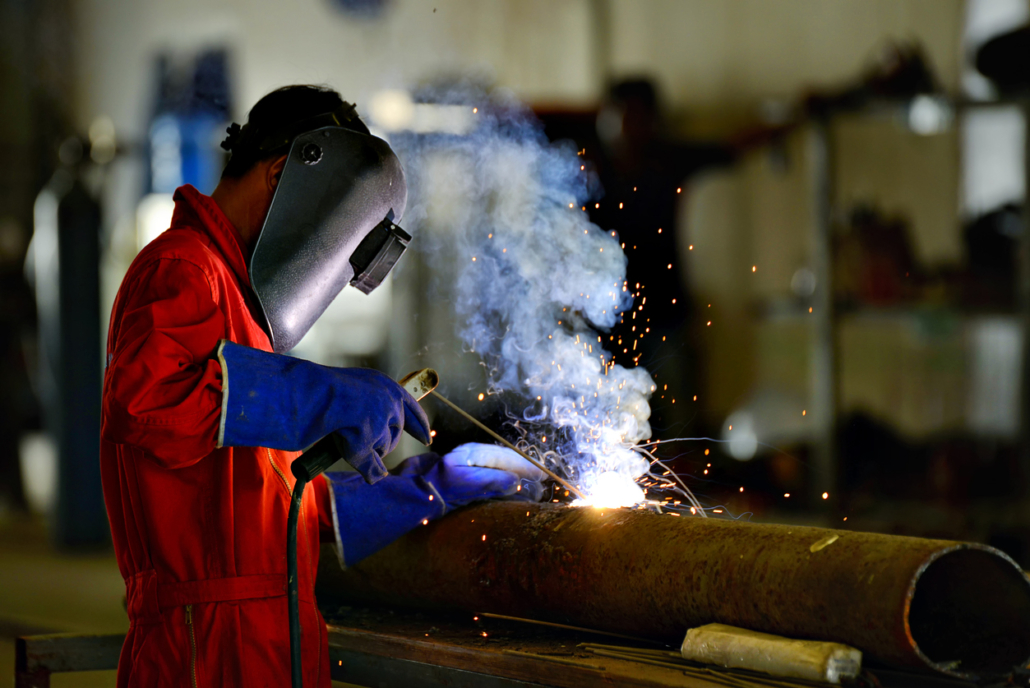
The cornerstone of welding safety starts with the welder’s personal protective equipment (PPE). This includes a welding helmet or hand shield fitted with a filter shade, along with safety glasses with side shields and protective clothing that is flame-resistant and helps to repel sparks and slag. The right attire can be the difference between a productive shift and a trip to the emergency room.
Ventilation and Fire Prevention
Proper ventilation in a welding workspace is one of the primary protections against harmful fumes. It’s essential to have a system that prevents a buildup of dangerous gases and keeps the air clean. Additionally, fire safety measures like having fire extinguishers ready and a protocol for combustible materials can avert a potential disaster.
Best Practices for Welding Safety
It’s not enough to have protective equipment and know the hazards. Applying best practices in welding safety involves executing a continuous safety plan that is integrated into the work process itself.
Training and Certifications
All welders should undergo comprehensive training and receive certification. Awareness and knowledge of the risks and how to mitigate them are essential. Continuous learning and updates keep information fresh and workers safe.
Regular Inspections and Maintenance
Just as critical is the regular maintenance and inspection of all welding equipment. Loose connections, frayed cords, and other equipment malfunctions can quickly turn a safe environment into a hazardous situation. A routine check can prevent accidents before they happen.
Workplace Security Experts in Raleigh
Welding safety is not a one-size-fits-all regimen. It requires constant vigilance, adaptability, and a proactive approach to eliminate hazards and protect the workforce. By understanding the significant risks, the preventive steps needed to mitigate them, and embedding a culture of safety in every workday, we ensure that your welding operations are not marred by preventable incidents.
If you need additional guidance or training, Construction Safety Experts offer world-class construction safety training and consulting. Reach out to us at (919) 463-0669! Our integrated safety training and consulting services will assure your teams have what they need to work productively and safely.


