
How Safety Consulting Services Support Data Center Projects
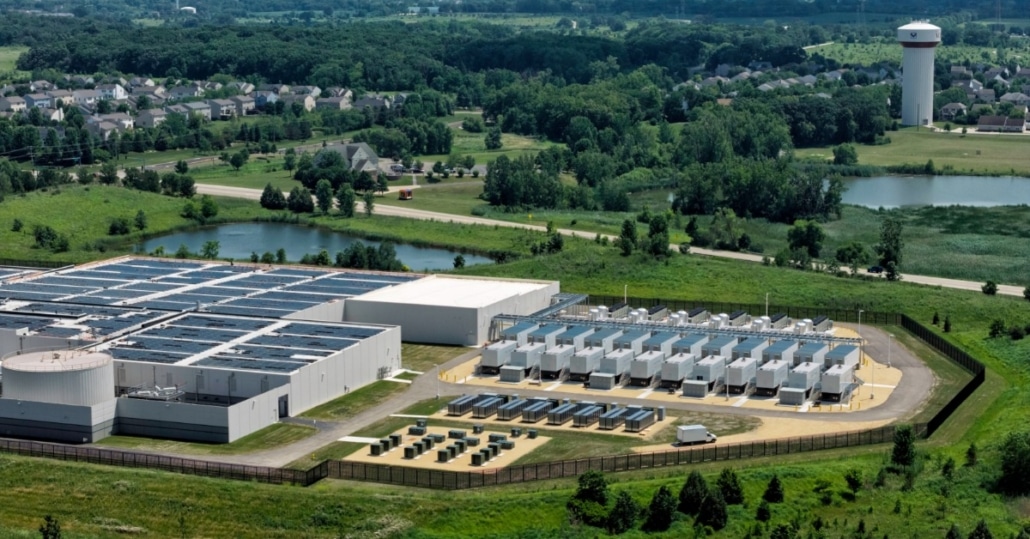
Data center construction brings together special trades, complex electrical systems, heavy equipment, tight schedules, and demanding quality requirements. These conditions can create significant safety challenges as crews complete different phases of work within the same active project environment.
A strong safety strategy helps project leaders identify hazards, coordinate contractors, maintain consistent expectations, and respond to changing site conditions. Below, we’ll detail how safety consulting services support data center projects.
Why Data Center Projects Require Strong Safety Planning
Building a data center involves much more than completing a traditional commercial structure. Contractors must install extensive electrical infrastructure, mechanical systems, cooling equipment, backup power systems, structural components, and other special equipment while multiple trades work across the site.
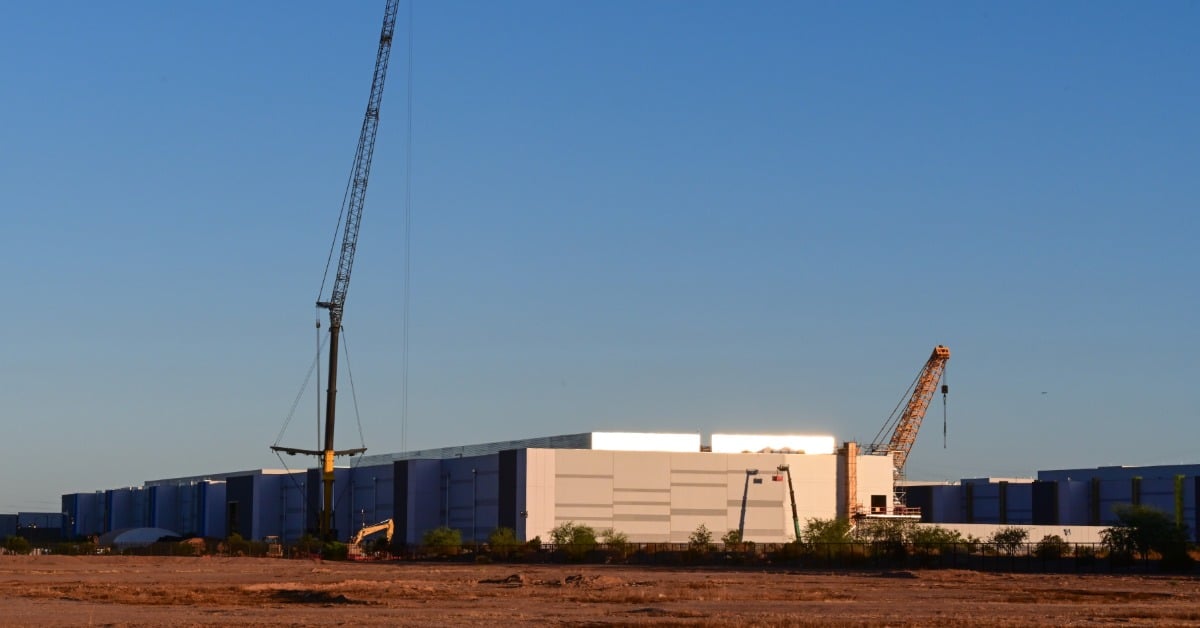
As construction progresses, site conditions change quickly. A location that is low-risk during structural work may contain energized systems, temporary power, elevated work areas, or restricted access during later phases. Project teams need safety plans that account for these transitions instead of treating safety requirements as static throughout construction.
Coordinating Multiple Contractors and Trades
Data center projects may include electricians, mechanical contractors, equipment installers, crane crews, concrete contractors, and many other specialists. Each company brings its own work methods, employees, supervisors, and safety procedures.
Without clear coordination, differences between contractor practices can create confusion. Safety consultants can help project leadership establish consistent expectations for site access, personal protective equipment, permits, hazard communication, inspections, and other critical procedures.
How Safety Consultants Strengthen Project Execution
Safety consulting services support data center projects by bringing an independent safety perspective to complex construction environments. They can evaluate existing procedures, identify weaknesses, and help project teams address risks before those risks contribute to incidents or work disruptions.
For contractors managing large or special facilities, construction safety services can add experienced personnel and structured oversight without requiring the company to build every safety capability internally. This support can also adapt as staffing needs, project phases, and site hazards change.
Identifying Hazards Before Work Begins
Effective hazard management starts before crews begin a task. Safety consultants can review planned work, site conditions, equipment requirements, access points, and interactions between trades to identify potential exposures.
This process allows supervisors to adjust before workers enter the area. Teams might change the work sequence, establish controlled access zones, select different equipment, or introduce additional protective measures.
Supporting Site-Specific Safety Programs
A company-wide safety program provides an important foundation, but individual data center projects may present conditions that require additional procedures. Consultants can help contractors translate broader policies into practical site-specific requirements.
They can also review existing programs for gaps and help align procedures with the work crews perform. This connection between written requirements and field activities helps supervisors communicate expectations more clearly and gives workers practical direction.
Maintaining Safety During Rapid Project Changes
Data center construction can move through phases quickly as structural work gives way to equipment installation, electrical work, commissioning, and final preparation. Each transition changes the hazards that workers encounter.
Safety professionals can monitor those changes and help project leaders adjust controls accordingly. This ongoing evaluation matters because a procedure that worked during one phase may no longer address the conditions crews face several weeks later.
Managing High-Risk Work Activities
Certain construction activities require additional attention because mistakes can produce severe consequences. Examples include crane operations, rigging, electrical work, work at height, material handling, and tasks involving heavy equipment. Safety consultants can review these activities, observe work practices, and help supervisors verify that crews follow safe procedures.
Preparing for Electrical and Commissioning Activities
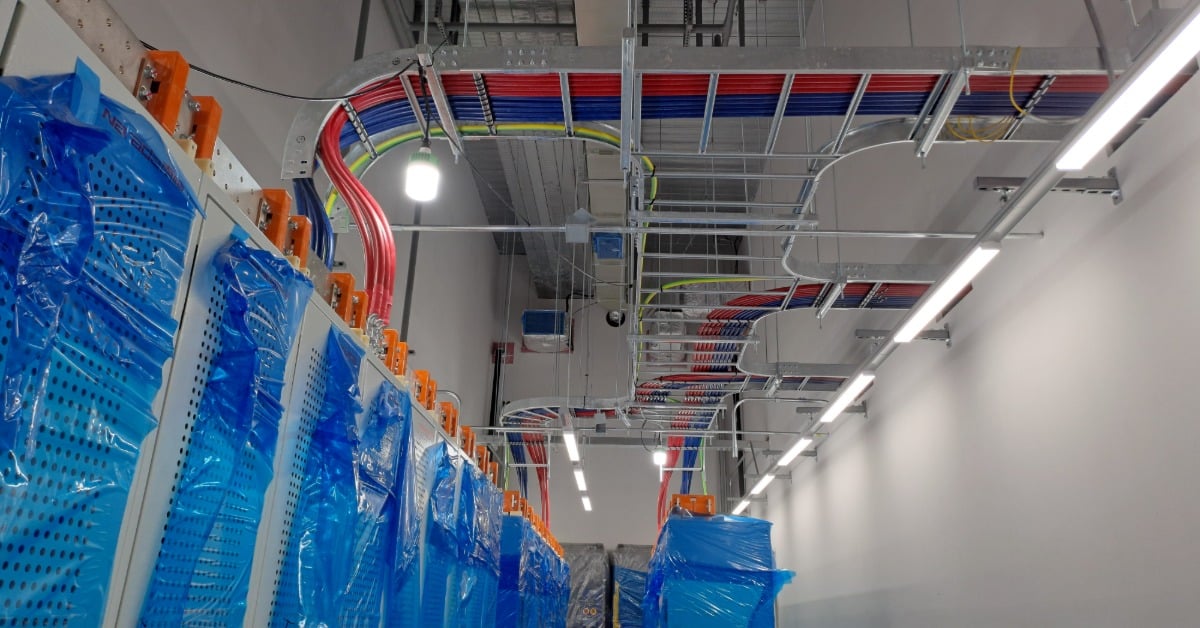
Electrical infrastructure plays a central role in data center construction. As systems move closer to completion, project teams must carefully manage access, temporary power, energized equipment, testing activities, and communication between contractors.
Safety planning becomes especially important when construction and commissioning activities overlap. Consultants can help establish clear procedures, define responsibilities, and improve coordination so workers understand which systems or areas require additional controls.
Improving Safety Communication Across the Site
Even a comprehensive safety program provides little value if workers do not understand or apply it. Communication connects written procedures with daily decisions in the field. Safety consultants can work with project managers, superintendents, foremen, and workers to reinforce expectations throughout construction.
Strengthening Pre-Task Planning
Pre-task planning gives crews the opportunity to evaluate the work they will perform before they begin. Teams can discuss the work sequence, equipment, environmental conditions, nearby operations, and protective measures for the task.
Safety professionals can help supervisors make these discussions more specific and useful. Instead of relying on broad reminders, crews can focus on the actual hazards they expect to encounter during that shift or work activity.
Supporting Consistent Field Expectations
Large projects can struggle with inconsistency when different supervisors or subcontractors interpret requirements differently. Workers may receive conflicting direction about access controls, protective equipment, housekeeping, or other site procedures.
Consultants can help project leaders establish clearer standards and reinforce them across contractors. Consistency reduces uncertainty and helps workers understand what the project expects regardless of which area or supervisor they work with.
Using Inspections and Audits to Find Problems Early
Regular site observations allow project teams to identify unsafe conditions before they contribute to incidents. Consultants can conduct inspections that examine work practices, equipment, access routes, housekeeping, documentation, and compliance with project requirements.
The value of an inspection comes from what the project team does with the findings. Safety professionals can help supervisors prioritize corrective actions, assign responsibility, and verify that identified issues receive proper attention.
Looking Beyond Individual Violations
A single unsafe condition may indicate a larger weakness in planning, supervision, communication, or training. Correcting only the immediate issue can leave the underlying problem in place. Experienced consultants can look for patterns across inspections and observations.
Documenting Safety Performance
Good documentation helps project leaders understand what happens across a large and changing construction site. Inspection records, corrective actions, training records, incident reports, and other documentation can provide useful insight into safety performance.
Supporting Safety Training and Workforce Readiness
Workers need training that reflects their responsibilities, work environment, and potential exposures. General instruction may provide a foundation, while site-specific training helps employees understand conditions unique to the project.
Safety consultants can assist with orientations, task-focused instruction, supervisor education, and other training needs. They can also help project leaders identify situations where crews need additional information before beginning unfamiliar or higher-risk work.
Adding Flexible Safety Expertise to the Project Team
Not every contractor needs the same level of safety support during every phase of construction. A project may require additional expertise during mobilization, major equipment installation, high-risk work, commissioning, or periods of increased workforce activity.
Consultants give companies another way to access safety professionals based on project needs. That flexibility can support both short-term assignments and longer engagements without requiring contractors to expand permanent internal staffing for a temporary project demand.
Build Safety into Every Phase of Data Center Construction
Data center projects demand careful coordination between contractors, complex systems, equipment, and changing work environments. Safety consulting can help project teams manage those demands through hazard assessments, field oversight, training, inspections, program reviews, and consistent communication.
Construction Safety Experts provides safety professionals, consulting, auditing, and training support tailored to the needs of construction and industrial projects. Contact Construction Safety Experts to discuss the safety resources your next data center project may require.


