

Unseen Dangers: Proper Fitting and Usage of Fall Arrest Harnesses
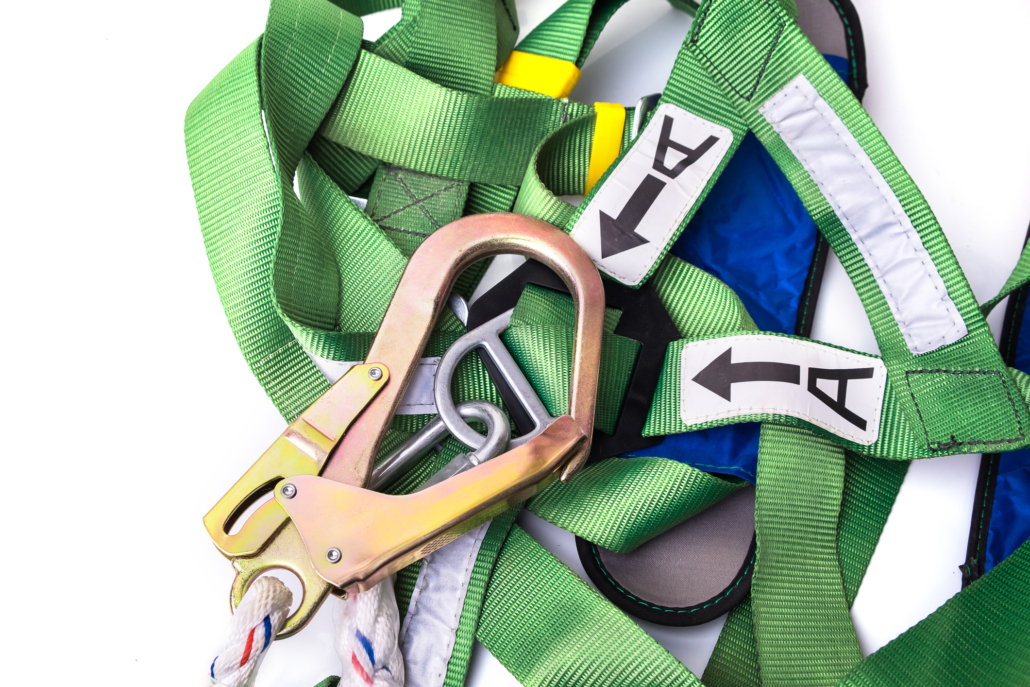
Fall protection systems are indispensable when performing construction work. Among these systems, fall arrest harnesses are vital in keeping workers safe from fatal falls. However, it’s important to note that improperly wearing a fall arrest harness can lead to hidden hazards and serious injuries, or worse. That’s why learning how to fit and wear a fall arrest harness is essential, ensuring a safe and accident-free job site.
The Dos and Don’ts of Wearing a Fall Arrest Harness
Knowing the dos and don’ts when wearing a fall arrest harness is vital to ensure your safety. When wearing a fall arrest harness, you must:
- Ensure proper fitting of the harness for every worker on the site.
- Secure loose ends and loops to avoid any entanglement with machinery.
- Opt for a jacket with a dorsal ring slot to prevent interference with the energy-absorbing element attached to the D-ring.
- Train workers on post-fall procedures when suspended in a harness.
However, there are things you should avoid:
- Never assume that one harness brand or type will fit all workers.
- Avoid any modifications or alterations to the harness, as they can compromise its structural integrity.
- Always have a rescue plan in place when using a fall arrest system to prevent potential fatalities caused by suspension trauma.
Stay safe and follow these guidelines to make the most of your fall arrest harness.
How To Fit a Fall Arrest Harness
Ensuring worker safety in the construction industry involves a critical aspect: fitting a fall arrest harness. Here’s a step-by-step guide to properly fitting a harness and keeping things engaging:
- Pick up the harness by the rear attachment point, holding it by the dorsal plate. Give it a good shake to ensure the straps are loose and untangled.
- Put on the harness just like you would with a jacket. Ensure the leg straps are hanging down ready to be fastened around your legs.
- Tighten the leg straps for a snug, comfortable fit. There is no need to restrict yourself but ensure a secure feeling.
- Fasten the chest strap across your chest. Keep it at the right level—neither too low towards your stomach nor too high towards your throat.
- Take a moment to adjust the straps until you achieve a snug fit. Remember, the goal is to feel comfortable and unrestricted in your movements.
- Finally, tuck the strap retainers in to hide any loose ends, giving your harness a tidy appearance.
By following these steps, you’ll be well-equipped to ensure safety while maintaining an engaging fitting process.
Why Fitting a Fall Arrest Harness Properly Matters
A properly fitted harness enhances protection and minimizes the risk of harm during a fall. However, when a harness is poorly fitted or uncomfortable, workers may be tempted to modify or leave it behind, increasing the likelihood of accidents. Most manufacturers agree that modifications compromise the effectiveness of the harness when worn. Therefore, you need to prioritize the correct fit and comfort of the harness to mitigate potential hazards and safeguard workers.
The Importance of Fall Arrest Harness Training
Working at different heights requires proper training for individuals, especially those in the construction industry. This training should cover the fitting and wearing of a fall arrest harness, including a demonstration of picking up the harness, putting it on, and properly adjusting the straps for a secure fit. Additionally, workers must be aware of inspecting the harness for any damage and understanding the dos and don’ts of wearing it. Equally important is knowing what actions to take after a fall while suspended in the harness.
Ensuring Safety in Construction
Preventing accidents and injuries, especially when working at heights, requires properly fitting and wearing a fall arrest harness. By following the dos and don’ts, understanding the importance of correct harness fitting, and receiving comprehensive training in the use of personal protective equipment, workers can ensure their safety on the job site.
Hidden hazards can pose severe risks in the construction industry, leading to serious injuries or fatalities. That’s why receiving proper training and establishing effective safety protocols is crucial. Our team at Construction Safety Experts is here to help. Contact us today through our website or call (919) 463-0669 to discuss safety training and protocols designed specifically for your business.


