
Questions To Ask Before Hiring Safety Consulting Services
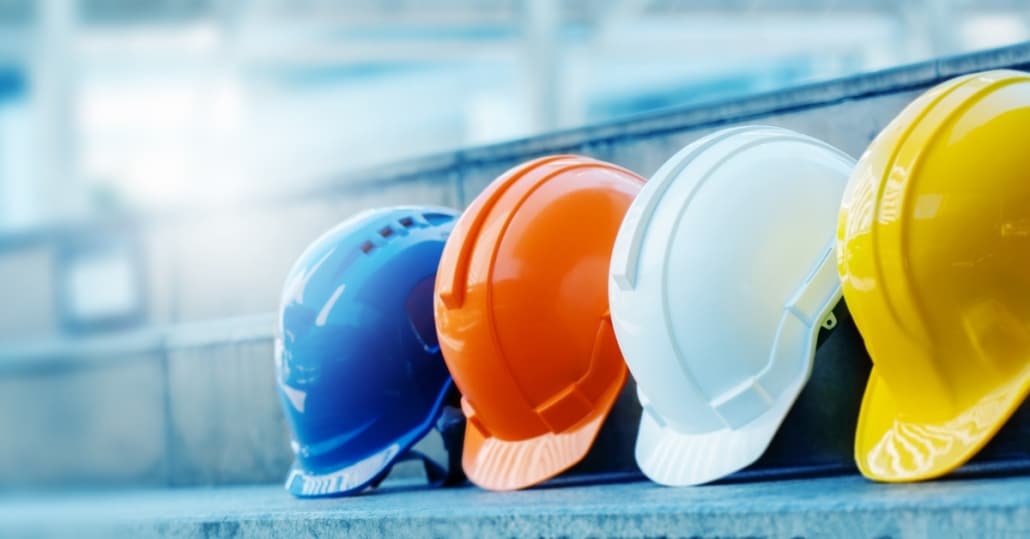
Hiring safety consulting services can feel straightforward until you realize how many outcomes depend on the fit. The right partner improves compliance, reduces incidents, and makes field teams’ jobs easier. The wrong partner creates paperwork without impact, slows production, and leaves gaps you won’t see until something goes wrong. Before hiring safety consulting services, consider asking these questions to determine if it’s the right fit for your project.
Why These Questions Matter
Safety consulting is not one-size-fits-all. A consultant can be excellent in one environment and ineffective in another. Your projects have unique hazards, schedules, trades, site access constraints, and client expectations. Asking specific, operational questions helps you evaluate competence and predict performance, not just credentials.
These questions also create alignment early. Clear expectations reduce scope creep, change orders, and confusion about who owns which tasks. You get better results when everyone understands how the construction safety services will integrate with the project and help the team.
What Problem Are We Solving with Construction Consulting?
Start by defining what you want the consultant to accomplish. If you can’t describe the problem clearly, it is difficult to measure success. Some companies hire safety support to stabilize a new region, improve incident rates, or prepare for a client audit. Others need coverage for a peak schedule, a high-hazard phase, or a multi-employer site with complex coordination.
What Outcomes Should We Expect In 30, 60, And 90 Days?
Ask the consultant to describe what “good” looks like at specific milestones. A credible answer should include tangible actions and measurable indicators. You want to hear about leading indicators such as hazard corrections, training completion, inspections performed, and engagement in pre-task planning. You also want clarity on how they will influence behaviors on site, not just produce documents.
How Will You Define and Track Success?
If a consultant cannot explain how they measure progress, you risk paying for activity instead of results. Ask what metrics they typically use and how they tailor them to your operation. They should be able to connect their work to improved field execution, reduced exposure, and stronger compliance readiness.

What Construction Experience Do You Have That Matches Our Work?
Another important question to ask before hiring safety consulting services is about their experience. Construction safety requires an understanding of changing conditions, multiple trades, and tight schedules. A strong consultant recognizes how hazards evolve across phases and how to work with superintendents and foremen without creating friction. You are looking for someone who can operate in the field, communicate clearly, and influence decisions in real time.
Have You Supported Projects Similar in Size, Complexity, And Risk?
Ask for examples that match your reality. A consultant who mainly supports small commercial renovations may not be ready for a large industrial build with heavy equipment, multiple subcontractors, and simultaneous operations. Ask what trade activities were present and what the consultant’s day-to-day role looked like. Their response should show familiarity with the hazards you manage.
How Do You Approach Compliance?
The best safety consultants build trust while maintaining standards. They coach, verify, and correct without undermining site leadership. A consultant who relies only on enforcement can create resistance and hide problems. A consultant who avoids hard conversations can leave serious gaps.
How Will You Integrate with the Superintendent and Foremen?
Ask how the consultant will support the existing chain of command. You want a partner who strengthens field leadership, not replaces it. They should describe how they participate in planning, how they communicate hazards, and how they keep accountability where it belongs. Listen for practical language that fits how construction teams operate.
How Do You Handle Pushback or Production Pressure?
Safety decisions typically happen when time is tight. Ask for a real example of how they responded when a crew wanted to proceed with an unsafe plan. The consultant should demonstrate calm decision-making, strong communication, and the ability to propose workable alternatives. If they cannot provide an example, that may signal limited field influence.
What Is Your Process for Hazard Identification and Control?
A consultant’s core value is helping you anticipate hazards and control them before exposure occurs. Ask for their process, not just their paperwork. You want to know how they identify critical risks, prioritize controls, and follow up to confirm the implementation of changes.
How Do You Evaluate the Highest-Risk Activities on Our Projects?
Ask how they approach lifts, energized work, confined spaces, excavation, and work at heights, depending on your scope. They should describe how they assess tasks, verify permits, and confirm controls like access, barricading, sequencing, and competent person requirements. Strong answers include coordination with subcontractors and verification in the field.
How Do You Verify Controls Are Working?
Controls fail when they look good on paper but break down in execution. Ask how the consultant checks effectiveness over time. Look for a plan that includes observation, re-inspection, and feedback loops. Ask what they do when issues repeatedly show up and how they drive sustainable changes.
What Will You Deliver and How Will It Be Used on Site?
Safety deliverables should support field action. If deliverables exist only for compliance files, they typically do not reduce exposure. Ask what documents they produce and how those documents connect to site operations.
What Is Included in the Scope and What Is Not?
Ask for clear scope boundaries. Typical construction consulting services might include site orientation support, inspections, safety meetings, training, incident investigations, and program development. Some engagements include prequalification reviews, contractor management, and audit preparation. Ask the consultant to define what they will own, what they will support, and what remains the responsibility of your team.
How Will You Communicate Findings to the Project Team?
Ask how they deliver observations and corrective actions. You want clear, timely communication that supports faster resolution. The consultant should explain how they prioritize critical issues and how they track closure. If their process depends on long reports delivered days later, you may not get the responsiveness construction requires.
How Do You Handle Incident Response and Investigations?
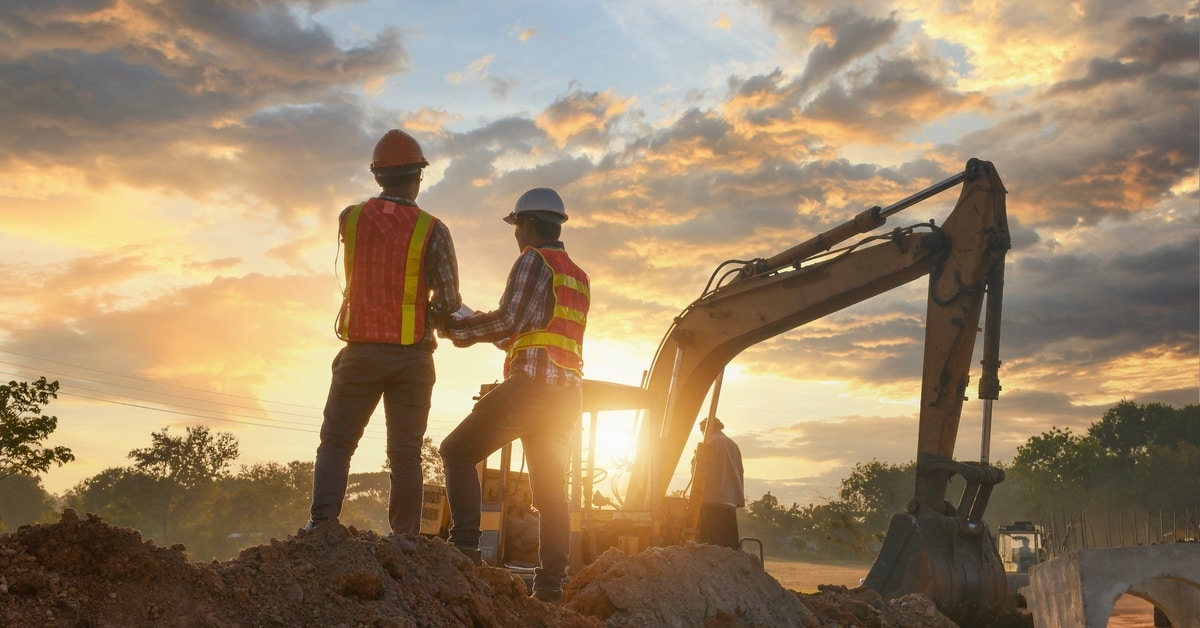
Even strong programs experience incidents. The question is how the consultant responds and what changes follow. Ask how they support incident response, documentation, and corrective action planning. Confirm whether they can support root cause analysis and whether they provide coaching to prevent recurrence.
What Is Your Method for Determining Root Causes?
You want more than “human error.” Ask how they dig into planning, supervision, training, equipment, and work conditions. A solid consultant explains how they collect facts, interview fairly, and identify system-level improvements. Ask how they present findings to leadership and how they ensure corrective actions are practical.
Choosing The Right Safety Consulting Partner
Construction safety services should reduce risk, strengthen leadership, and make the job site more predictable. The fastest way to identify the right partner is to ask detailed questions and listen for specific, field-proven answers. When a consultant can explain their process, show relevant experience, and describe how they drive measurable outcomes, you are more likely to see real improvement.
Construction Safety Experts is here to provide you with reliable, experienced onsite safety consultations. Learn more about our services online, or give us a call at (919) 463-0669 today.