

How Onsite Safety Professionals Support Project Leadership
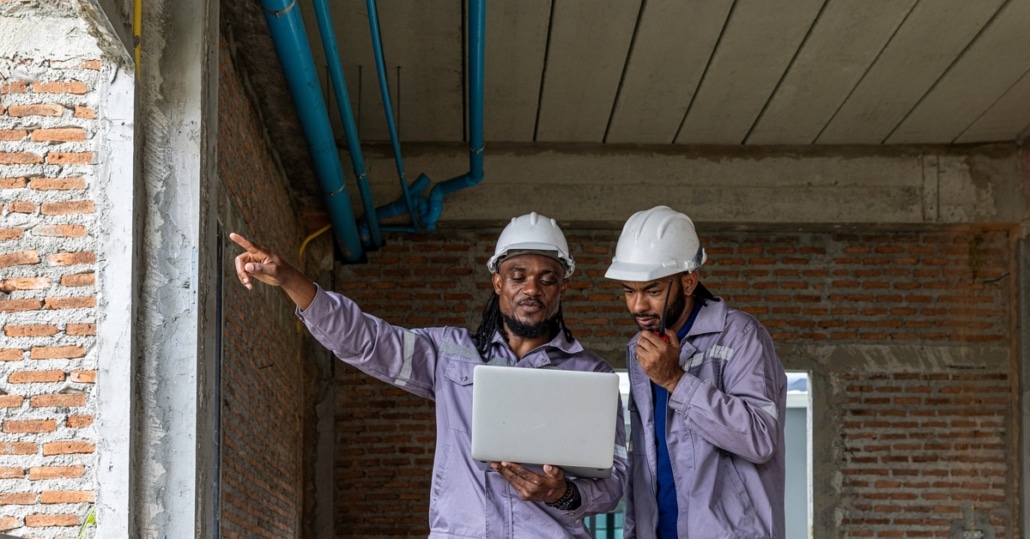
Project leaders carry a lot at once. They manage schedules, crews, logistics, quality, owners, and risk. When safety gaps show up, leadership can feel it first through delays, rework, tension on site, and hard conversations after a close call.
Onsite safety professionals give leadership real-time support where decisions happen. They keep an eye on field conditions, help crews execute the plan safely, and create a steady feedback loop that prevents small issues from becoming major disruptions. Keep reading to understand how onsite safety professionals support project leadership.
Leadership Needs More Than “Compliance”
Most leaders do not struggle because they do not care about safety. They struggle because safety competes with everything else on a fast-moving project.
A strong onsite safety presence helps leadership balance production and protection. It reduces uncertainty and replaces last-minute firefighting with steady, daily control of hazards and expectations.
The Leadership Burden on High-Pressure Jobsites
Every jobsite creates moments where leaders must decide quickly. They approve access, sequencing, equipment use, work permits, and changes in scope. When the site changes faster than the plan, risk creeps in.
Onsite safety professionals support leadership by bringing structure to that complexity. They help teams standardize behaviors and document what matters without turning the project into paperwork.
Where Onsite Safety Professionals Fit into the Leadership Team
The best onsite safety professionals do not “police” the site. They partner with leadership to make the plan executable and repeatable.
They translate safety expectations into field-ready actions and help supervisors set clear boundaries. They also bring back what they see on the ground so leadership can adjust fast.

How Onsite Safety Staffing Protects the Schedule
Leaders care about safety because safety protects production. Incidents shut down work, steal time, lower morale, and create staff turnover. Quality suffers when teams rush or work around a hazard.
They Prevent Stop-Work Moments by Catching Issues Early
Onsite safety professionals walk the jobsite daily and identify hazards before crews stack on top of them. When they spot a problem early, leadership gets options instead of emergencies.
They can help address conditions like damaged tools, missing protections, poor access, or conflicting work activities before they trigger a shutdown. This keeps work moving in a controlled way.
They Improve Planning Through Better Field Visibility
Most planning meetings depend on assumptions. What people say is happening does not always match what is actually happening. Onsite safety professionals give leaders direct visibility into work performance. That insight helps leadership sequence work more safely, adjust staffing, and set realistic expectations with owners and trades.
How Onsite Safety Professionals Strengthen Leadership Communication
Another way onsite safety professionals support project leadership is through communication. Safety breaks down when teams interpret expectations differently. Leaders can say “work safe” a hundred times and still see inconsistent results if no one translates that message into specific, repeatable behaviors. Onsite safety professionals help bridge the gap between communication and action.
They Create a Consistent Message Across Crews
Onsite safety professionals reinforce standards at the same time every day, in the same language, with the same expectations. That consistency matters when projects rotate subcontractors and new workers weekly. When crews hear the same requirements repeatedly, leaders spend less time correcting and more time building momentum.
They Reduce Conflict Between Production and Safety
Leaders can become trapped between an aggressive schedule and field realities. A skilled onsite safety professional helps solve problems instead of escalating them. They can propose safer alternatives, coordinate with foremen, and keep work moving while protecting workers. This support helps leadership maintain healthy relationships with workers while still holding the line on standards.
How Onsite Safety Professionals Help Leaders Build a Safety Culture
Culture does not come from posters. It comes from what leaders tolerate and what teams repeat. Onsite safety professionals help leadership make safety visible and measurable. They also help leaders coach supervisors in the moment, which builds accountability without creating hostility.
They Coach Supervisors and Foremen in Real Time
Leaders cannot be everywhere. Even strong superintendents miss details when they juggle dozens of moving parts. Onsite safety professionals provide immediate feedback on behaviors, not just outcomes. They can reinforce good practices, correct drift early, and help supervisors communicate expectations clearly.
They Make Good Behavior Easier to Repeat
People repeat what works. When onsite safety professionals help simplify controls and make safe practices easier, crews adopt them faster. That could mean improving housekeeping flow, clarifying access routes, tightening a pre-task plan, or aligning work zones. Small changes compound quickly across a project.
How Safety Professionals Support Compliance Without Slowing the Job
Leadership wants documentation because owners, insurers, and regulators expect it. The problem is that documentation frequently steals time from the people who should be leading work. Onsite safety professionals relieve this burden.
They Verify Requirements and Reduce Guesswork
Rules change across states, owners, and industries. Leaders should not have to guess whether the site meets federal, state, and local requirements. Onsite construction safety professionals verify that the site meets federal, state, and local safety regulations. When someone on site owns that verification process, leadership gets clearer answers and fewer surprises.
They Keep Training and Orientations Moving
Many projects lose control when onboarding becomes inconsistent. New workers miss expectations. Supervisors skip steps when the site runs hot. When onsite safety professionals manage or support orientations and recurring training, leadership gets a steady baseline across crews.

How Onsite Safety Professionals Improve Incident Readiness and Response
Even strong projects face near misses. When teams respond poorly, minor events become major disruptions. Onsite safety experts support leadership before, during, and after an incident by keeping processes clear and consistent.
They help capture what happened, stabilize the area, and coordinate next steps so leadership can communicate effectively. Onsite professionals can also help the team learn from what happened without turning the response into blame. This type of support protects workers, protects reputations, and helps leadership maintain trust with owners and trades.
When Leadership Gets the Most Value from Onsite Safety Staffing
Onsite construction safety staffing tends to support leadership most in a few common scenarios. It helps during early mobilization when the jobsite changes daily and crews arrive quickly. It helps during peak manpower when leadership cannot physically monitor every area.
Onsite safety experts also help during high-risk phases such as heavy lifts, energized work, confined areas, or complex interfaces between trades. They can also help when owners require frequent reporting or when leadership needs a consistent point of contact for safety communication.
Next Step: Add Field Capacity That Supports Leadership
Leadership sets the tone, but field conditions decide outcomes. When you bring in experienced onsite safety professionals, you strengthen the connection between leadership intent and jobsite execution.
If your team needs added capacity, stronger consistency, or better visibility into field risk, construction safety experts can provide the onsite support leadership needs to keep work moving safely. Talk with Construction Safety Experts about matching an onsite safety professional to your project’s scope, schedule, and risk profile.